
10 Easy Activities for Helping Toddlers Develop Fine Motor Skills
April 2, 2026
Fun, simple, and low-cost learning experiences can help young children develop essential fine motor skills during play. Try these activities with the toddlers in your program and share them with families, too!
 Aim and Drop
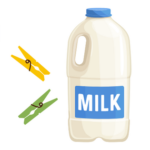
Show the child how to drop a clothespin, spool, or dry pasta (uncooked) into an empty milk jug or plastic container with a large opening. Play the game as long as the toddler enjoys it. Let them shake the container and enjoy the sound it makes.
Snacktime Helper
Older toddlers will enjoy helping to make their own snack. They can help twist open lids on jars; open containers; spread cream cheese, hummus, butter, jam, or jelly; scoop out applesauce; and more. The more a child can do by themselves (with your support), the faster they will learn and the more skilled they will become.

Macaroni String
This classic activity is great for strengthening fine motor skills. String necklaces out of dried pasta with big holes (tube-shaped pasta, such as rigatoni, works really well). The children can paint the pasta before or after stringing it. Make sure they have a string with a stiff tip, such as a shoelace. You can also tape the ends of a piece of yarn so it’s easier to string.

My Favorite Things
Help children make a book about all their favorite things. Clip or staple a few pieces of paper together for them (let kids choose a favorite color). Have children show you what pictures to cut from magazines, and show them how to glue pictures on the pages. Children can use markers, stickers, or crayons to decorate pages, and you can write down what they say about each page. Let children “write” their own name—it may only be a mark, but that’s a start!
 Sticky Shapes
Show the child how to press Colorforms (or a similar sticky plastic material) onto a window or mirror. Invite them to try it, too. Next, show the child how to press two or three forms together to make a line or picture on the window. This fun activity helps develops the thumb and forefinger pincer grasp needed for many fine motor tasks.
 Funnel Fun
Working over a water table or sand pile, place a basin full of scooping material beside a funnel and a container for catching the material. Place the funnel on top of the container to catch the material, and scoop, spoon, or use your hands to transfer the material from the basin to the funnel. Show the toddler how to do this and let them try it. (With funnel activities, it’s also fun for the child if you vary the material used for scooping. Changing the type of funnel can further vary the experience.)
 Pounding Pegs
Place a pegboard and plastic hammer in front of the child. Holding the hammer, demonstrate how to pound the board. Invite the child to try. (If a peg is too small a target, try flipping a plastic cup over and using the hammer to hit the bottom of the cup.) A more advanced exercise is to invite the child to pound golf tees into foam blocks. Provide this activity if the toddler seems to be ready for a greater challenge.
 Sorting Objects
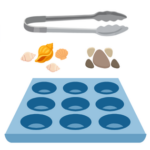
Give children egg cartons or muffin pans. Put some common objects such as shells or cotton balls into a plastic bowl. Let children use a little spoon or tongs to pick up the objects and put them in different sections of the egg carton.
 Draw What I Draw
Have children copy a line that you draw, up and down and side to side. You take a turn, and then ask the children to take a turn. Try zigzag patterns and spirals. You can use a crayon and paper, a stick in the sand, or markers on newspaper or construction paper.
 Beginner Puzzles
Show toddlers how to put beginning puzzles together. You can make your own puzzles for very young children by cutting the front of a cereal box into a few wide strips. Help them aim and place the piece in the right place if they need help. Don’t forget to praise them for trying!
Have fun trying these and other activities with young children to enhance their fine motor skills. And if you have a favorite fine motor activity of your own, share it in the comments below!
Activities should be supervised at all times by an adult. Any material, food, or toy given to a young child should always be reviewed for safety first.
- Activities 1-4, 8-10: adapted from the ASQ-3 Learning Activities by Elizabeth Twombly and Ginger Fink
- Activities 5-7: adapted from Beautiful Beginnings, Second Edition, by Helen H. Raikes, Darcy D. Lenz, & Katlyn M. Hoggatt (available Summer 2026)
AVAILABLE NOW!
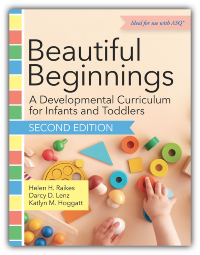
Beautiful Beginnings
A Developmental Curriculum for Infants and Toddlers, Second Edition
By Helen H. Raikes, Ph.D., Darcy D. Lenz, M.Ed., & Katlyn M. Hoggatt, M.Ed.
COMING SUMMER 2026: Take a joyful, activity-based approach to enhancing child development with the new edition of this bestselling birth-to-three curriculum. Aligned with ASQ® and CDC developmental milestones, this research-supported curriculum includes 350+ photocopiable, easy-to-use activity sheets that target eight key developmental areas. These engaging experiences build on each child’s strengths and interests, expand on emerging developments, and encourage progress in areas of concern.
More posts like this
16 Tips for Talking with Toddlers
March 31, 2022
10 Effective Ways to Teach Young Children about Emotions
November 12, 2024
Write a Comment
Your email address will not be published. Required fields are marked *
Post a Comment