
5 Must-Dos for Explicit Vocabulary Instruction
Good readers need broad and deep vocabulary knowledge—it’s the key to unlocking the meanings within the wide range of academic texts students… Read More
Good readers need broad and deep vocabulary knowledge—it’s the key to unlocking the meanings within the wide range of academic texts students… Read More
*Today’s post is from Ms. Jen Alexander, a licensed educator, trauma expert, and the author of Building Trauma-Sensitive Schools and… Read More
How can home visiting programs demonstrate improved outcomes for parents and children—and secure the funding they need to help more families? Collecting… Read More

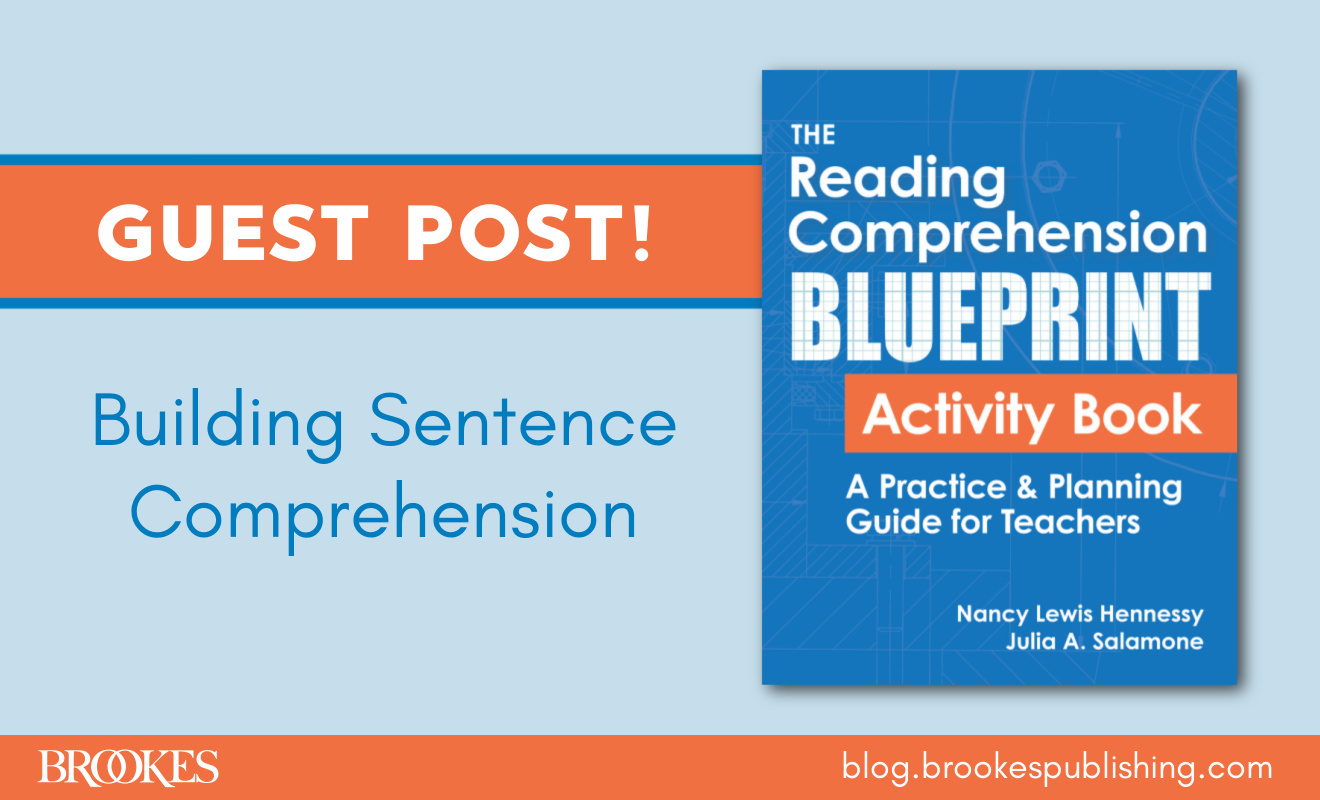
*Today’s guest post is by Nancy Hennessy & Julia Salamone, authors of The Reading Comprehension Blueprint Activity Book. Sentences have been described… Read More
In the new edition of the home visiting guide Tackling the Tough Stuff, authors Angela M. Tomlin and Stephan… Read More
*Today’s post has been adapted from the chapter “Basic Phonics” by Carol Tolman, Martha C. Hougen, and Susan M. Smartt, in … Read More
*Today’s post has been adapted from the chapter “Reading Fluency Among English Learners” by Coleen D. Carlson, in Literacy… Read More
*Today’s post has been adapted from the chapter “Alphabet Knowledge” by Kay A. Allen and Graham F. Neuhaus, in Multisensory Teaching of… Read More
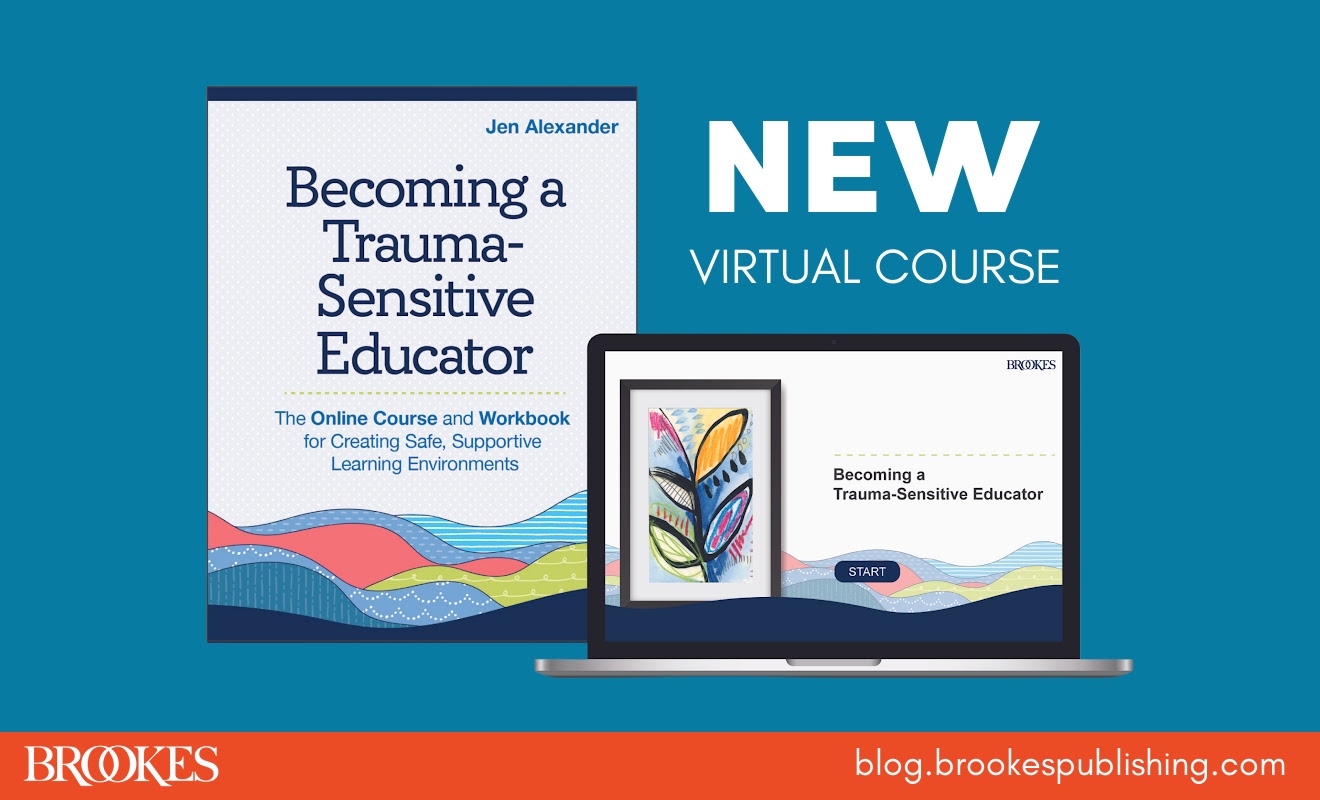
Trauma-sensitive teaching couldn’t be more important to the health, social-emotional well-being, and academic success of your students. But what do trauma-sensitive educators really need to… Read More
Today’s guest post focuses on TILLS™—the assessment that SLPs, educators, school psychologists, and reading specialists rely on to test students’ oral and… Read More