
5 Fun Fall Activities to Boost Child Development
September 28, 2026
Add joy and fun to your fall season with five development-boosting activities to try with the young children in your life (adapted from the ASQ-3 Learning Activities and the ASQ:SE-2 Learning Activities). Wishing you safe and happy autumn days together!
Create an autumn-themed sculpture
Gather materials together from outside (twigs and branches, acorns, pine cones, pretty stones) and around your home (newspaper, Popsicle sticks, small boxes, plastic containers, bits of ribbon, and fabric). For fine-motor practice, give children masking tape, pipe cleaners, duct tape, and glue for joining materials together. Put the materials in a place where children can work on their special creation for a few days and let the sculpture dry. When it’s done, proudly display it on the table, your mantel, or another prominent location in your home.
Make a gratitude book honoring family and friends
This skill-boosting activity is a sweet way to help children express gratitude for family members and friends this fall. Help a child make their own book of all the special people in their life. Print out photos of family members and friends, let the child arrange and glue them onto sturdy sheets of paper, and help them staple the pages or tie them with ribbon. Then give them supplies they can use to decorate the book: glitter pens, sequins, stickers, bits of shiny paper, pictures cut from old greeting cards and magazines. When the book is done, look at it together and talk about the special people in the photos and why you’re thankful for them. Not only will this book be a cherished memento, this project will also help children strengthen fine motor, communication, social-emotional, and problem-solving skills.
Bake pretzel letters together
Baking edible letters with a child will fill your home with extra warmth and help them with motor, problem-solving, and early literacy skills. Wash your hands together first, and then cut pizza dough into strips (or make your own dough with a recipe like this one). Then help the child form letters with the dough. Show them how them how to brush the letters with a beaten egg, sprinkle them with salt, and bake until golden brown. Review the sounds that each letter makes as you form the shapes. Eat up your ABCs together! (To help reinforce early math skills, you can also make pretzel numbers.)
Have outside fun with fall leaves
To sharpen fine and gross motor skills, see how many fun activities you can do with the leaves in your backyard or around your building. Head outside with children to rake leaves together, and then jump in or leap over the piles. See how many leaves you can catch as they fall. Collect and sort leaves of different colors, sizes, and shapes.
Make autumn leaf notecards
Collect some colorful leaves from your yard, neighborhood, a park, or a roadside. (Leaves that are small and delicate work best.) Place the leaves between sheets of paper towels or newspaper. Then lay them between heavy books and give the leaves a few days to dry and flatten out. When they’re dried, have children glue them to a folded piece of paper or cardstock to make notecards. Help children write someone a special note or ask them to draw a picture inside the card for the person they want to give it to. This is a great way to reinforce fine motor skills!
PLUS: Don’t forget to make time for enjoying books together! On chilly fall evenings, snuggle up for some shared reading—one of the single most important activities you can do with a child. Not only is it a wonderful way to bond and relax together, it also strengthens a child’s communication and language skills and sets the stage for literacy development. Choose some autumn-themed books and engage the child while you read. Ask them what happened at the beginning, middle, and end, or have the child act out the story with you and pretend to be different characters. (For more tips on making the most of shared reading, check out this post.)
P.S. Activities should be supervised at all times by an adult. Any material, food, or toy given to a young child should be reviewed for safety.
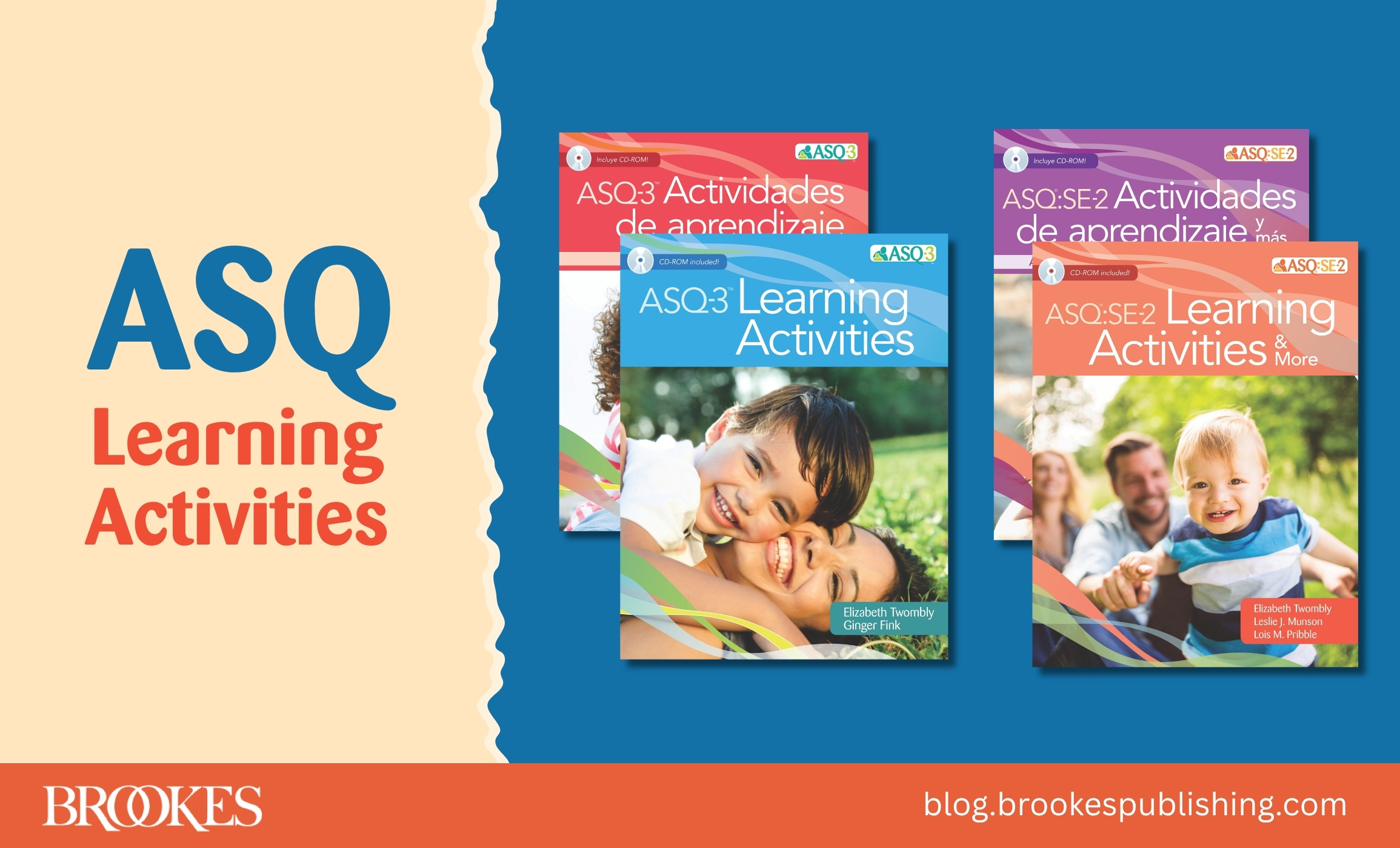
Get the ASQ Learning Activities for your early childhood program! By sharing these fun, age-appropriate activities with families of young children, you’re reinforcing parents’ efforts to support their child’s development—and encouraging them to enjoy happy times with their children at home.
More posts like this

ROUNDUP: 10 Recommended Early Language and Literacy Resources
October 22, 2026
8 Ideas for Helping Young Children Develop Key Social Skills
October 16, 2026
Write a Comment
Your email address will not be published. Required fields are marked *
Post a Comment