
ROUNDUP: 10 Recommended Early Language and Literacy Resources
October 22, 2026
Reading experts agree that strong literacy skills begin to take root well before a child enters kindergarten. And with reading scores over the past decade showing a steady decline—steepened by the COVID-19 pandemic—calls are growing for early childhood and K-12 policymakers to join forces to prioritize and support literacy skills during a child’s earliest years.
The 10 resources in this post can help your program fulfill this vital role. From books on rich conversations with kids to fun and effective Tier 2 interventions, these titles can help get young children off to the best possible start as readers!
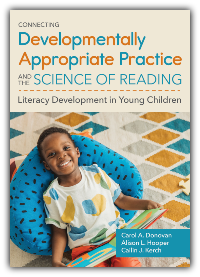
Connecting Developmentally Appropriate Practice and the Science of Reading
Literacy Development in Young Children
By Carol A. Donovan, Ph.D., Alison L. Hooper, Ph.D., & Cailin J. Kerch, Ph.D.
Why you need it: Focused on birth–pre-K with an emphasis on ages 2–5, this groundbreaking resource will help you blend the best of DAP and SOR into powerful, playful early literacy experiences that set children up for success.
Practical features: Video clips that show best practices in action, classroom examples, reflection questions, instructional moves and action steps, myths and facts, self-assessments, and links to additional resources.
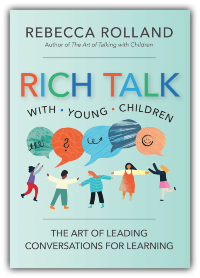
Rich Talk With Young Children
The Art of Leading Conversations for Learning
By Rebecca Rolland, Ed.D.
Why you need it: A must for all early childhood professionals, this is an engaging and research-backed guide to nurturing all aspects of learning and development through rich, intentional conversations with children ages 2–8.
Practical features: More than 20 downloadable resources, including planning worksheets, checklists for assessment and progress monitoring, reflective and role-playing exercises, age-appropriate questionnaires and parent handouts, plus lists of apps, books, and activities to further children’s language development at school and at home.
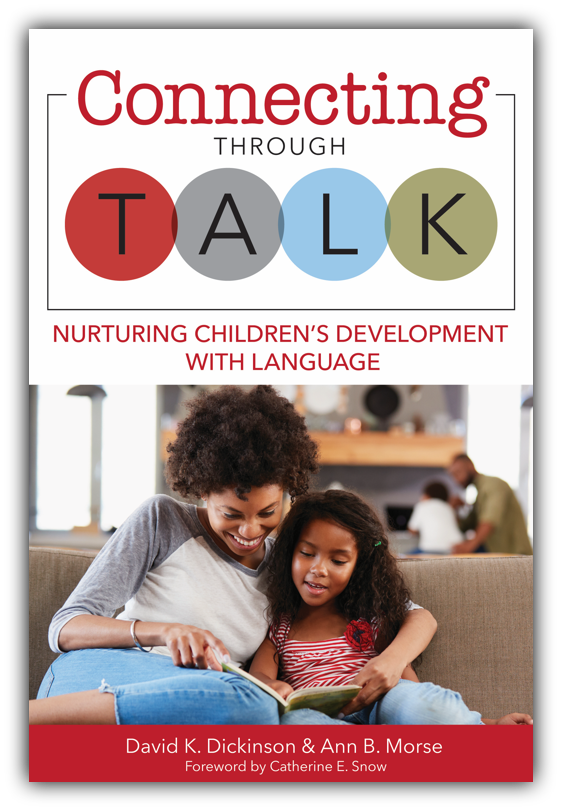
Connecting Through Talk
Nurturing Children’s Development With Language
By David K. Dickinson, Ed.D., Ann B. Morse, M.Ed.
Why you need it: This fascinating book unlocks the supportive relationship between language, social-emotional, and literacy development, and provides clear-eyed guidance on how regular talk between adults and children can stimulate this web of interconnected competencies.
Rave review: "Impressively researched, exceptionally well written, deftly organized and presented, Connecting Through Talk: Nurturing Children's Development With Language is a seminal body of meticulous scholarship.” – James Cox, Editor-in-Chief, Midwest Book Review
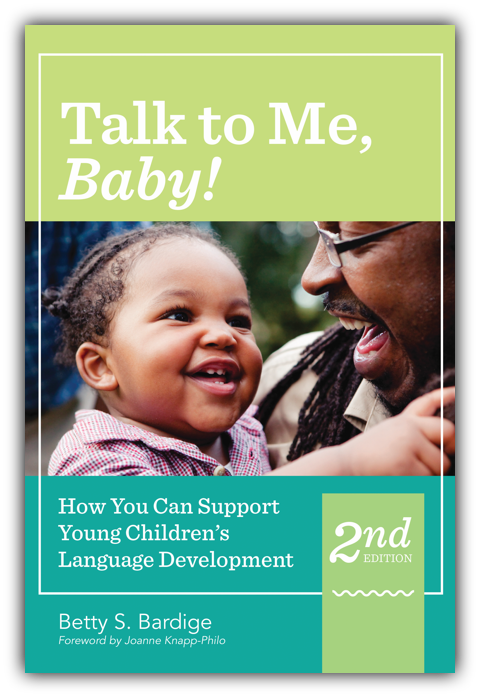
Talk to Me, Baby!
How You Can Support Young Children’s Language Development, Second Edition
By Betty S. Bardige, Ed.D.
Why you need it: A warm and approachable guide to using playful, development-boosting talk, this book supports the language development and school readiness of young children through several phases, from an infant’s earliest babbles to a 5 year-old’s most inquisitive flights of fancy!
Practical features: Study guides for each chapter and printable handouts in English and Spanish.
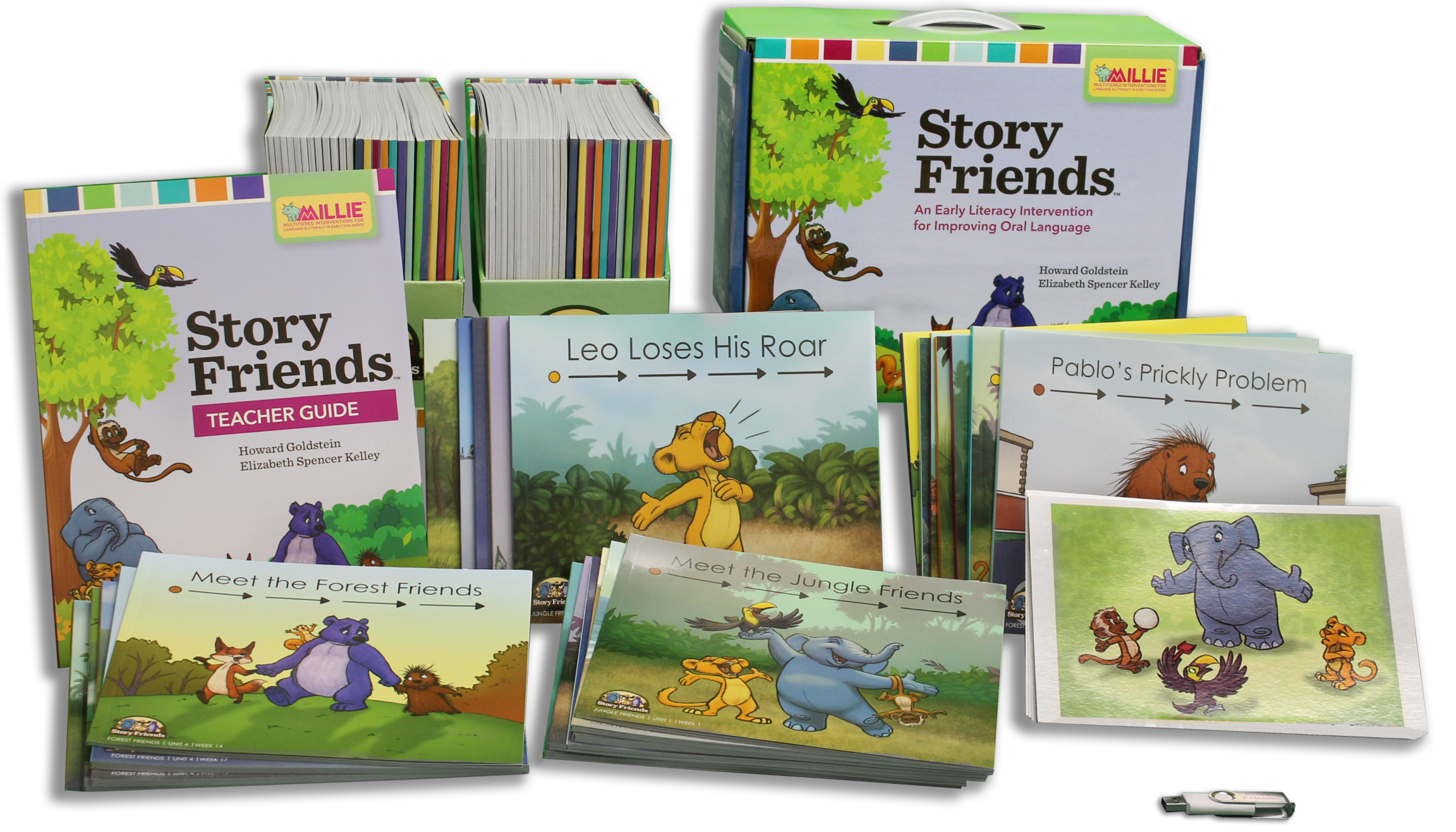
Story Friends™
An Early Literacy Intervention for Improving Oral Language
By Howard Goldstein, Ph.D., CCC-SLP, Elizabeth Spencer Kelley, Ph.D., CCC-SLP
Why you need it: Part of the MILLIE family of early language and literacy products, Story Friends is a Tier 2 intervention program for 4- to 6-year-olds who need extra support with early literacy skills. You’ll nurture age-appropriate oral language and vocabulary development through animal-themed storybooks (included in the kit) and lively audio recordings.
Rave review: “Story Friends is a wonderful evidence-based resource for helping young children learn new concepts through literacy while learning how to use literacy to learn!" – Nickola Wolf Nelson, Ph.D., CCC-SLP, Professor Emerita, Western Michigan University
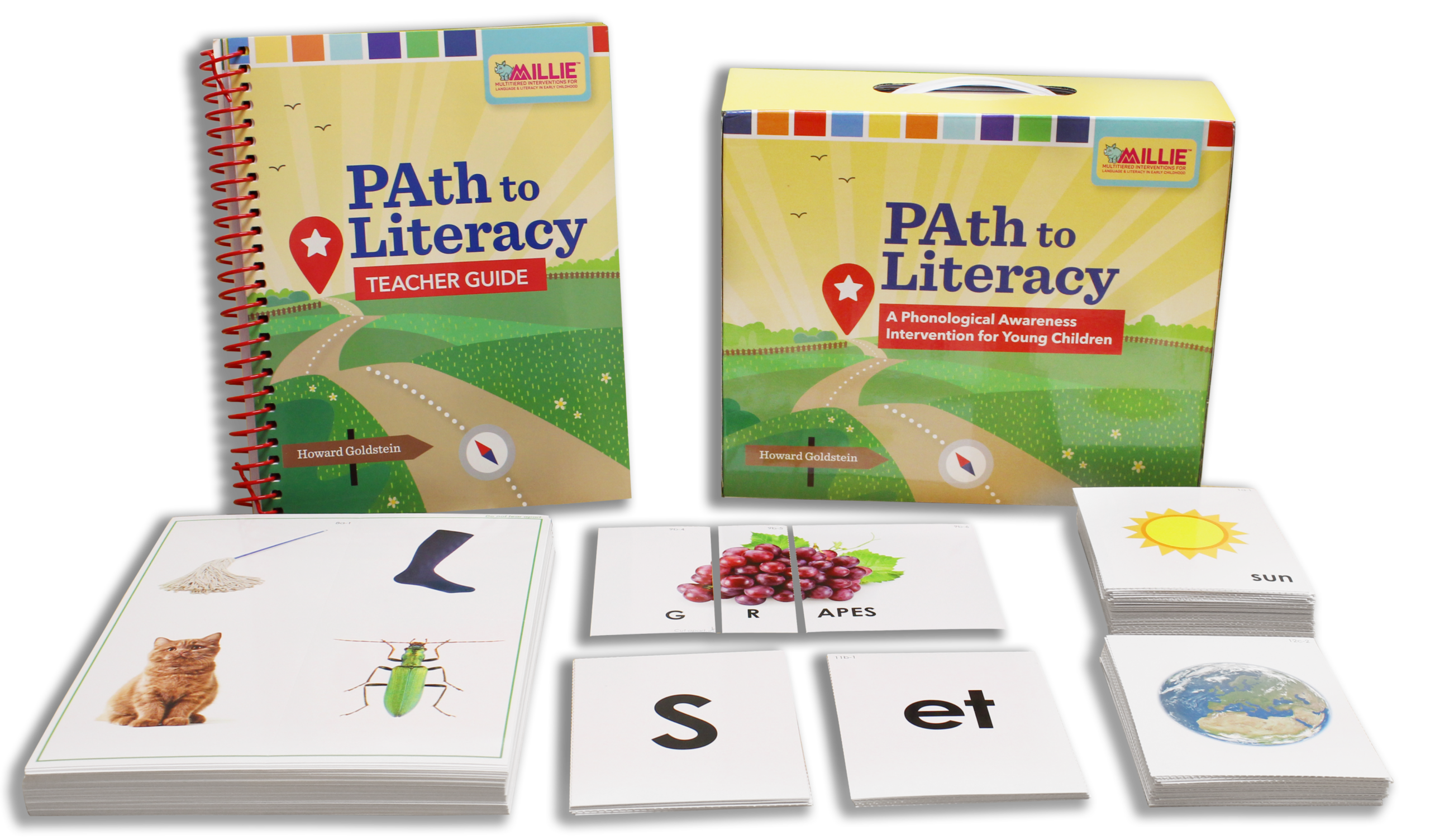
PAth to Literacy
A Phonological Awareness Intervention for Young Children
By Howard Goldstein, Ph.D., CCC-SLP
Why you need it: Another proven, evidence-based resource in the MILLIE family, PAth to Literacy is a highly effective supplemental curriculum that uses fun activities to support phonological awareness and alphabet skills in children ages 4 to 6.
Rave review: "Following PAth to Literacy's beautifully designed hierarchy of instruction is sure to strengthen the phonological awareness of preschoolers and kindergartners. Children will enjoy the colorful cards and the game-like format.” – Cecile Spector, Private Practice and Consultant
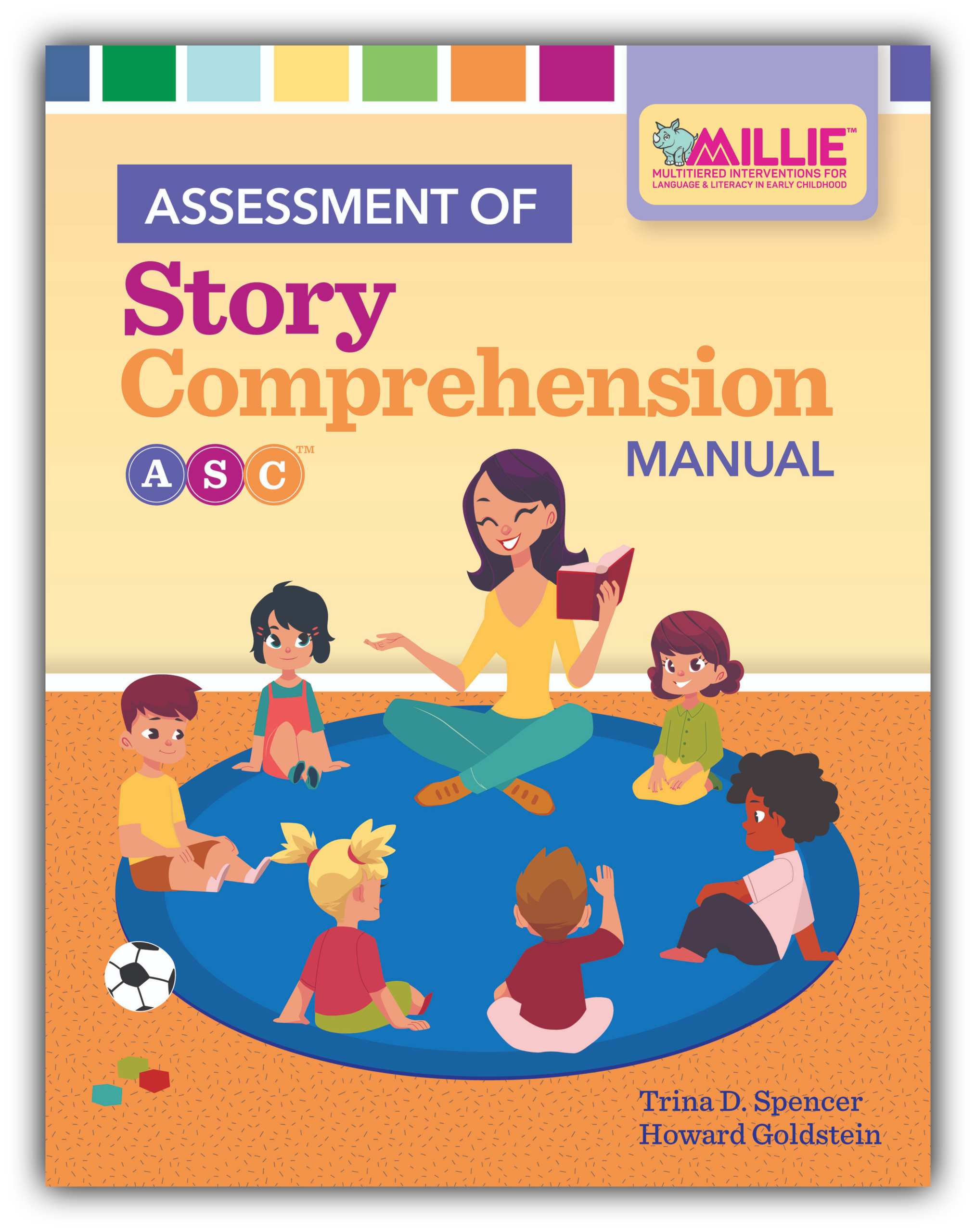
Assessment of Story Comprehension
By Trina D. Spencer, Ph.D., BCBA-D, Howard Goldstein, Ph.D., CCC-SLP
Why you need it: A quick check that takes only 3 minutes, the Assessment of Story Comprehension (ASC) helps early childhood professionals evaluate, monitor, and track the comprehension skills of a wide range of young children ages 3 to 5.
Rave review: “Now teachers can not only easily monitor early phonological and alphabet skills, but important language abilities, too. ASC is an essential addition to the classroom prereading screening battery.” – Timothy Shanahan, Ph.D., Chair, National Early Literacy Panel, Distinguished Professor Emeritus, University of Illinois at Chicago
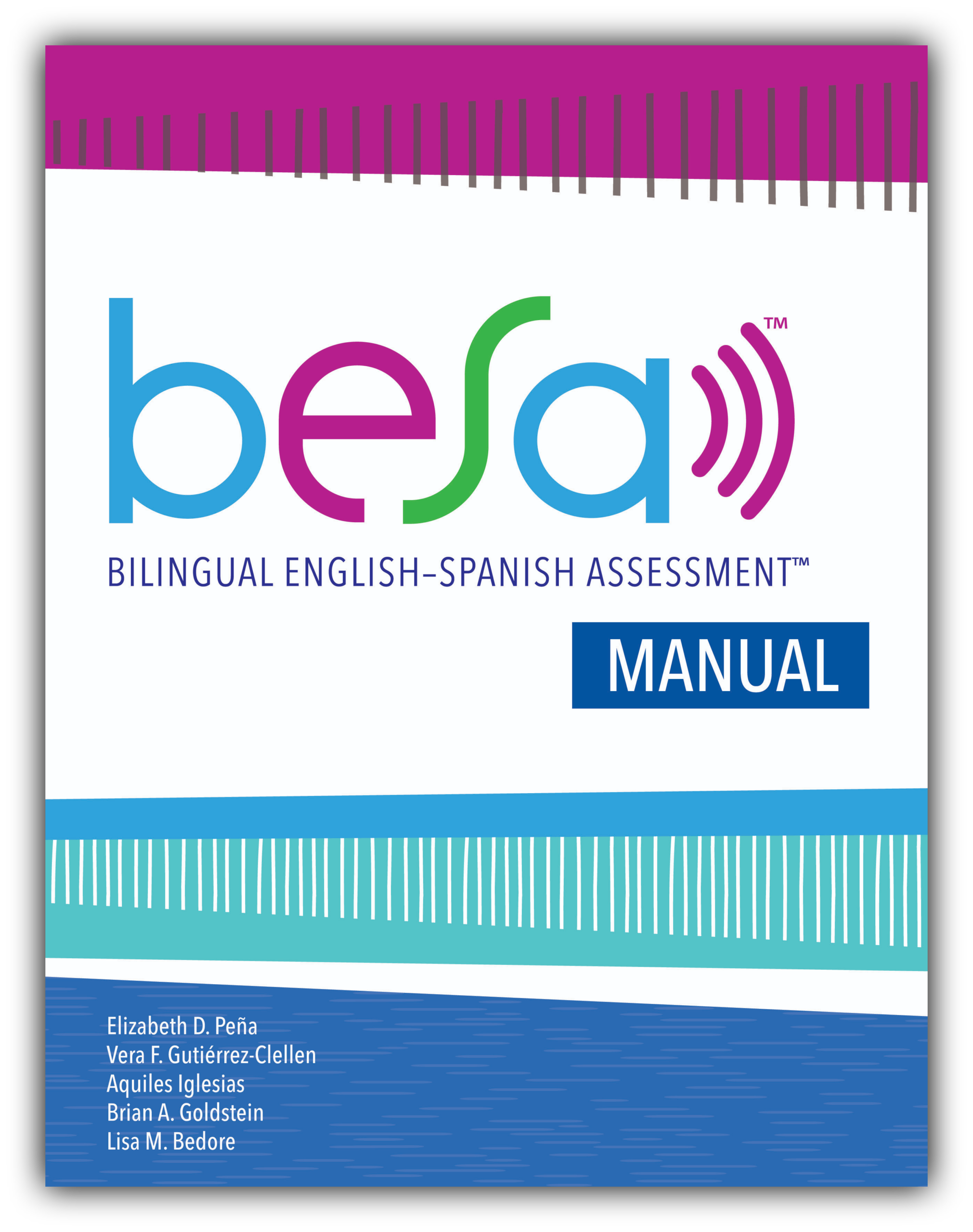
Bilingual English-Spanish Assessment (BESA)
By Elizabeth D. Peña, Ph.D., CCC-SLP, Vera F. Gutiérrez-Clellen, Ph.D., CCC-SLP, Aquiles Iglesias, Ph.D., CCC-SLP, Brian A. Goldstein, Ph.D., CCC-SLP, Lisa M. Bedore, Ph.D.
Why you need it: When a young Spanish–English bilingual child experiences language difficulties, BESA is the tool you need to differentiate between a delay in English language acquisition and a true language disorder.
Rave review: “I highly recommend the BESA to any speech language pathologist who works with bilingual populations. The BESA is the one assessment that I trust to help me make better clinical decisions regarding my bilingual clients' presence of a communication disorder.” – Xigrid Soto-Boykin, Ph.D., Arizona State University
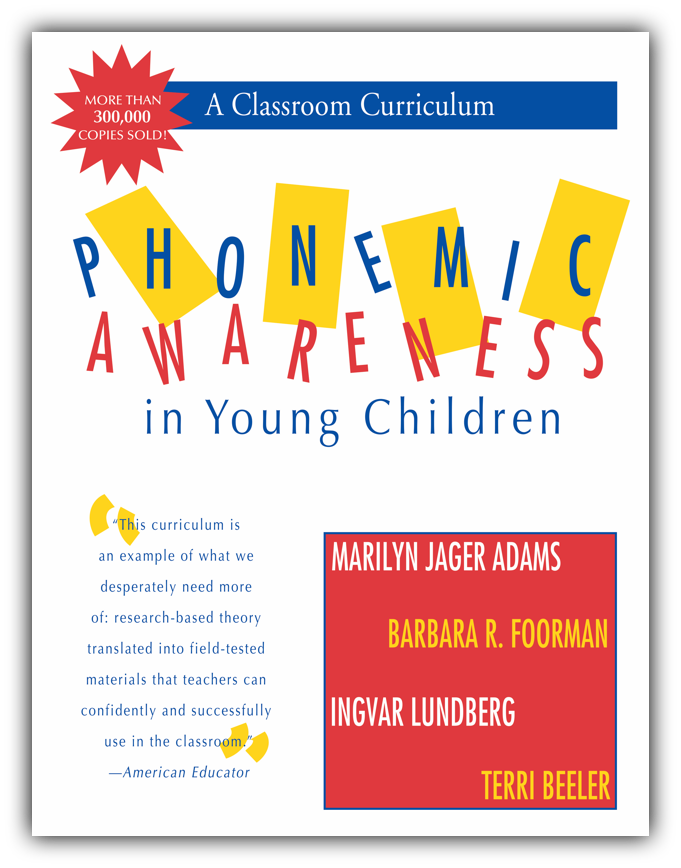
Phonemic Awareness in Young Children
A Classroom Curriculum
By Marilyn Jager Adams, Ph.D., Barbara R. Foorman, Ph.D., M.A.T, Ingvar Lundberg, Ph.D., Terri Beeler, Ed.D.
Why you need it: Hundreds of thousands of teachers have used this bestselling curriculum from renowned reading expert Marilyn Adams to boost young learners' phonemic awareness—a vital part of early language and literacy acquisition—in just 15-20 minutes a day.
Practical features: Teaching objectives, lesson plans and sample scripts, activity adaptations, troubleshooting guidelines, suggested kindergarten and first-grade schedules.
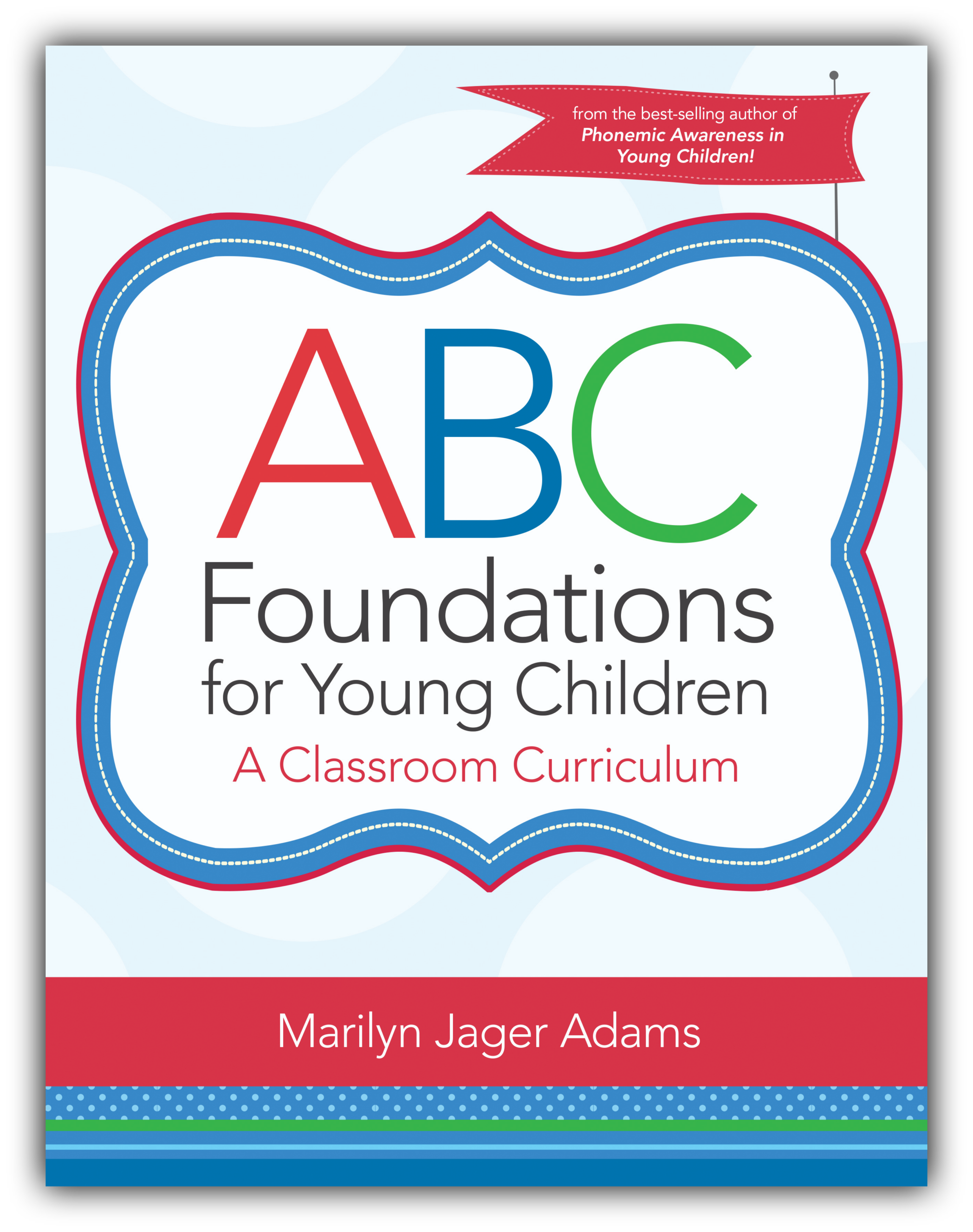
ABC Foundations in Young Children
A Classroom Curriculum
By Marilyn Jager Adams, Ph.D.
Why you need it: An ideal companion to Phonemic Awareness in Young Children! This fun, affordable, and activity-based supplement seamlessly fits into any early literacy curriculum, so you can boost young children’s alphabet knowledge without investing in expensive teaching materials and training.
Practical features: Includes 56 activity-based lessons and support materials like Alphabet Game Cards, Alphabet Strips, and Letter Writing Activity Sheets.
Invest in a few of these classroom-tested resources, and take the next step in supporting early literacy skills in the young children you teach. The great work you do now will help set kids up for academic success in the years to come!
More posts like this

Spotlight on Story Friends: Reading Success Starts Here
June 15, 2023
Write a Comment
Your email address will not be published. Required fields are marked *
Post a Comment