
7 Things to Focus On When Observing Parent–Child Interactions
April 7, 2026
 This article has been excerpted and adapted from Attachment-Focused Early Childhood Intervention by Stacey Alexander.
What parent–child interactions should we casually observe on our early intervention visits with families? Here’s a checklist of what might be helpful to clue into, and when I say “clue into,” that is all I mean. No one of these observations will tell you reliably if a parent–child relationship indicates secure or insecure attachment. However, this list can help guide your understanding of strengths in parent–child interactions and areas that may require support.
Ease with one another
Do the parent and child seem relaxed and comfortable with each other? Do they appear to enjoy being together? What do you notice about how they physically interact? What do you notice about how they communicate with one another?
Parental responsiveness to child cues
Children can cue their needs in a wide variety of verbal and nonverbal ways. How does this child give cues and how does the parent respond? Does the parent register the cues? If they register, do they respond in a manner that is timely and sensitive to the child’s needs? Are their responses consistent or variable?
Reactions to tantrums or ruptures in the relationship
How does the parent respond to unwanted behaviors exhibited by the child? Is the parent able to consider why the child may have exhibited the behavior? Is the response punitive? Is the response proportionate? Is the response understandable to the child? If there is a rift or rupture in the relationship, does the parent try to bridge the rift and repair the relationship?
Following the child’s lead in play
Does the parent play with the child? If so, do they lead the play or follow the child’s interests? Do the parent and child enjoy playing together?
Child response to separation from the parent
What happens when the parent leaves the room? Does the child appear to notice? Do they become upset? Do they try to follow? What happens when the parent returns? Do they seek proximity? Do they resume play? For some children, such as those with autism, the behavior changes upon the parent’s return may be quite subtle. Focus in and see what you can see.
Alignment of parents
Are the parenting styles of the parents more similar or different from each other? Do the parents largely agree on matters of parenting? Is there much conflict between the parents or do they mostly get along with each other?
Child’s comfort seeking
If the child is tired, distressed, or fearful, what do they do? Do they seek closer proximity with a particular person? Do they go to anyone who seems available at the time? Do they try to self-soothe or suppress any displays of their feelings? As you can see, there is a wealth of information before your eyes! No need for SSPs for us.
***
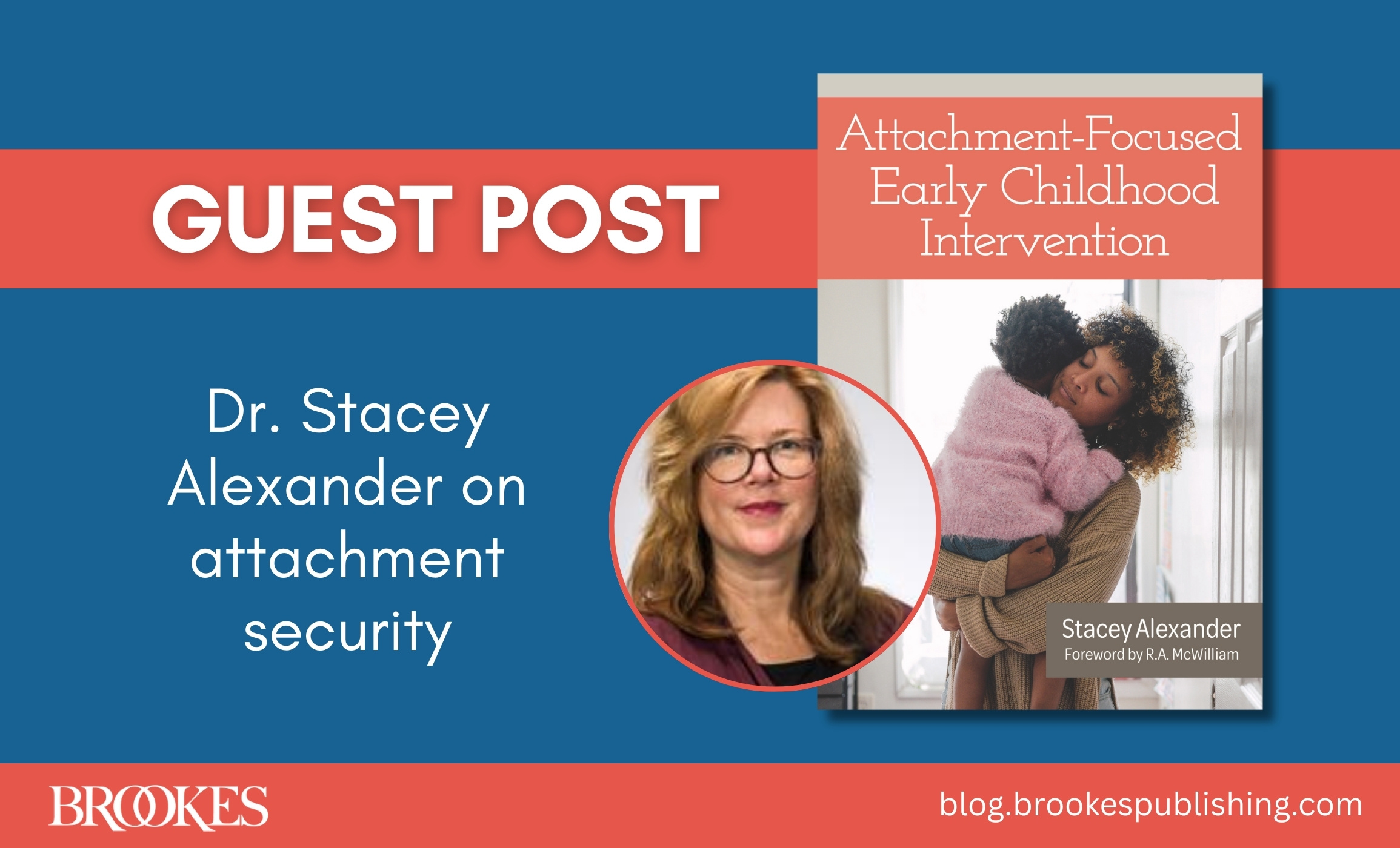
Keep learning with Stacey Alexander—order her new book for more practical, down-to-earth guidance on promoting attachment security!

Attachment-Focused Early Childhood Intervention
By Stacey Alexander, Ph.D.
This groundbreaking book is your complete guide to the why and how of helping families improve the attachment security of children with disabilities. Written in an engaging, conversational style and firmly rooted in EI best practice, this accessible resource delivers evidence-informed strategies for enhancing parent–child relationships in the critical early years.
More posts like this
4 Ways to Improve Attachment Security in Children with Disabilities or Delays
February 5, 2026
9 Strategies That Promote Family-Centered Practices
February 10, 2026
Write a Comment
Your email address will not be published. Required fields are marked *
Post a Comment