
Culturally Responsive Communication Assessment and Intervention: Tips for SLPs
November 12, 2026
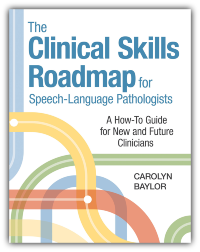 While SLPs can’t be experts in the cultural practices of every client, there are steps you can take to be culturally responsive during critical assessment and Intervention processes. In this article, adapted from the book The Clinical Skills Roadmap for Speech-Language Pathologists, we’ll take a look at some suggestions for providing culturally responsive assessment and intervention for clients from diverse cultural backgrounds.
Culturally Responsive Assessment Tips for SLPs
To conduct a valid, reliable, and relevant assessment, keep these considerations in mind:
- Ask about the client’s language background. Before an assessment, ask the client (or parents/guardian for a young child, or family/partner for a severely impaired adult) about their language background and their comfort with the language you speak.
- Partner with an interpreter if necessary. If you aren’t fluent in the client’s preferred language, schedule an interpreter to be present during the session to assist with communication.
- Be alert to differences. Even if the client shares your language, pay attention to differences in dialect or accent. If they use a word that is not familiar to you or pronounce something in way that is different than what you expect, you may need to ask them or their companion if that is a typical use or pronunciation for them.
- Consider how cultural variations affect assessment. Variations in speech, language, or other aspects of communication might influence how a client navigates an assessment task and how you interpret their responses. Recognize cultural and linguistic variations in communication and take care that you never label that variation as a communication disorder.
- Take opportunities to observe or ask about a client’s daily life. Although we often conduct initial assessments in decontextualized clinical settings and tasks in order to understand a client’s communication skills, it’s helpful to understand how the client functions with the supports of familiar environmental and cultural contexts.
- Take special care with standardized assessments. Not all standardized assessments are valid evaluations of speech or language for all languages, accents, or dialects. Read the assessment manual for information about how language and cultural differences were addressed in the assessment development and standardization process. Find a different test to use if there is no guide for adjusting assessment or scoring procedures for different language backgrounds. If you need to use a standardized assessment, explain why you are recommending it and what the client will experience to help them to be as comfortable with the process as possible.
- Consider other forms of assessment. If you can’t find standardized assessments to use that are appropriately sensitive to your client’s cultural and language background, use rigorous nonstandardized assessments tailored to your client’s language background.
Culturally Responsive Intervention Tips for SLPs
When developing culturally responsive interventions, keep these suggestions in mind:
- Guard against making assumptions regarding the goals, needs, or resources a client might bring to therapy. Your assumptions may be biased by your own culture. Avoid making generalizations about what you think clients might want or need based on age, socioeconomic status, or other factors.
- Ask clients about what they would like to get out of therapy. Western medicine often defines success in rehabilitation as the achievement of independent function, but this striving for independence is not consistent with beliefs in many cultures. Some clients may find greater value in working on activities that enhance their enjoyment or quality of life.
- Ensure that your recommendations don’t contradict cultural beliefs and practices. For example, if your client has dysphagia, be mindful that there are often very strong cultural ties to foods, food preparation, and eating in general. Some clients may not be allowed to eat certain foods according to their religious practices. Work with your clients to explore ways that dysphagia recommendations can be integrated into the client’s existing food options, choices, and routines.
- Be creative and flexible. Meetingneeds and preferences of clients often means setting aside prepackaged therapy materials, worksheets, or activities and thinking creatively about how to make therapy work for each individual. Many materials and activities will work for many clients. But when they don’t, be prepared to adapt.
- Work in partnership with the client and relevant people in their life to develop a therapy plan. Recognize that they are the experts in the activities they do. You bring the expertise in terms of how to change or structure those activities, or components of those activities, through therapy to help them be successful in their goals.
- Keep learning, particularly if you want to provide services in a culture to which you do not belong. For example, if you’d like to provide services in a location that serves people from a language or ethnic background that you don’t share, make an effort to gain a basic introduction to the language and familiarity with the cultural practices of your clients. Attending community events such as cultural or holiday celebrations can be a great start.
An SLP’s journey toward culturally responsive practice will likely never end because of all of the rich and diverse cultures to explore. The steps in this article are a great starting point—and the book will help you dive deeper. Pick up The Clinical Skills Roadmap for Speech-Language Pathologists for more concrete, real-world guidance on meeting each person’s individual needs and facilitating their participation in family and community life.
The Clinical Skills Roadmap for Speech-Language Pathologists
A How-To Guide for New and Future Clinicians
By Carolyn Baylor, Ph.D., CCC-SLP
Successfully launch your career as an SLP with this complete roadmap to navigating your first years of practice. Rooted in the principles of evidence-based practice and life participation approaches to intervention, this step-by-step guide offers a structured path for designing and implementing effective treatment plans for a wide range of clients.
More posts like this

5 Tips for Creating a Communication-Friendly Classroom
April 23, 2026
5 Must-Have Books on Teaching Multilingual Learners
April 14, 2026
Write a Comment
Your email address will not be published. Required fields are marked *
Post a Comment