
An AEPS Success Story: 6 Questions with Jennifer Grisham of the EC Laboratory
December 16, 2025
How does AEPS-3 help schools and families support young children’s development? Recently, we sat down with AEPS-3 co-developer Jennifer Grisham to talk about her important work as Faculty Director of the Early Childhood Laboratory, a campus-based program at the University of Kentucky that uses AEPS-3. Here, Dr. Grisham shares the school’s AEPS success story and outlines how the system benefits teachers, children, and families.
First, could you tell us a bit about your work with the ECL?
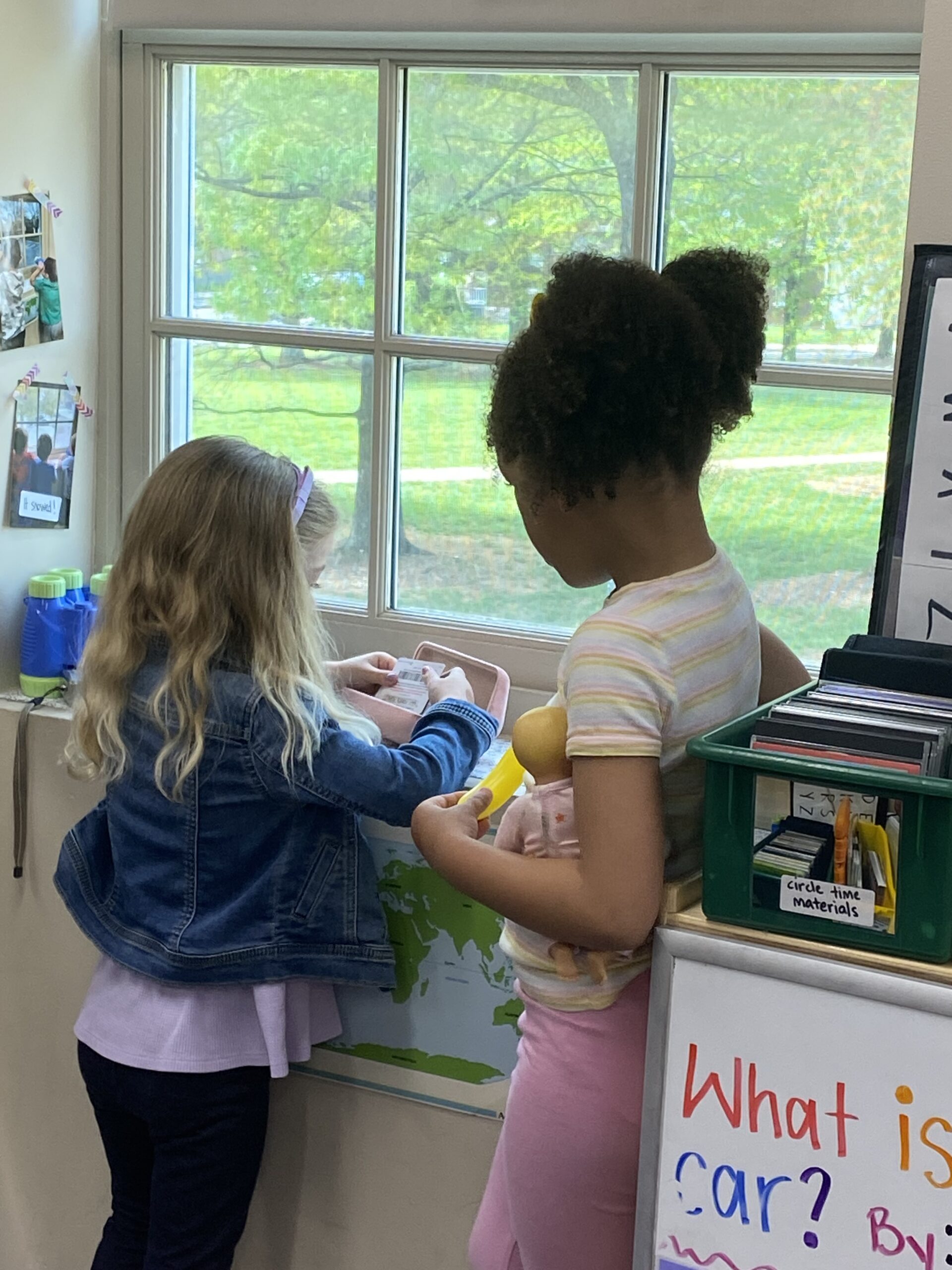
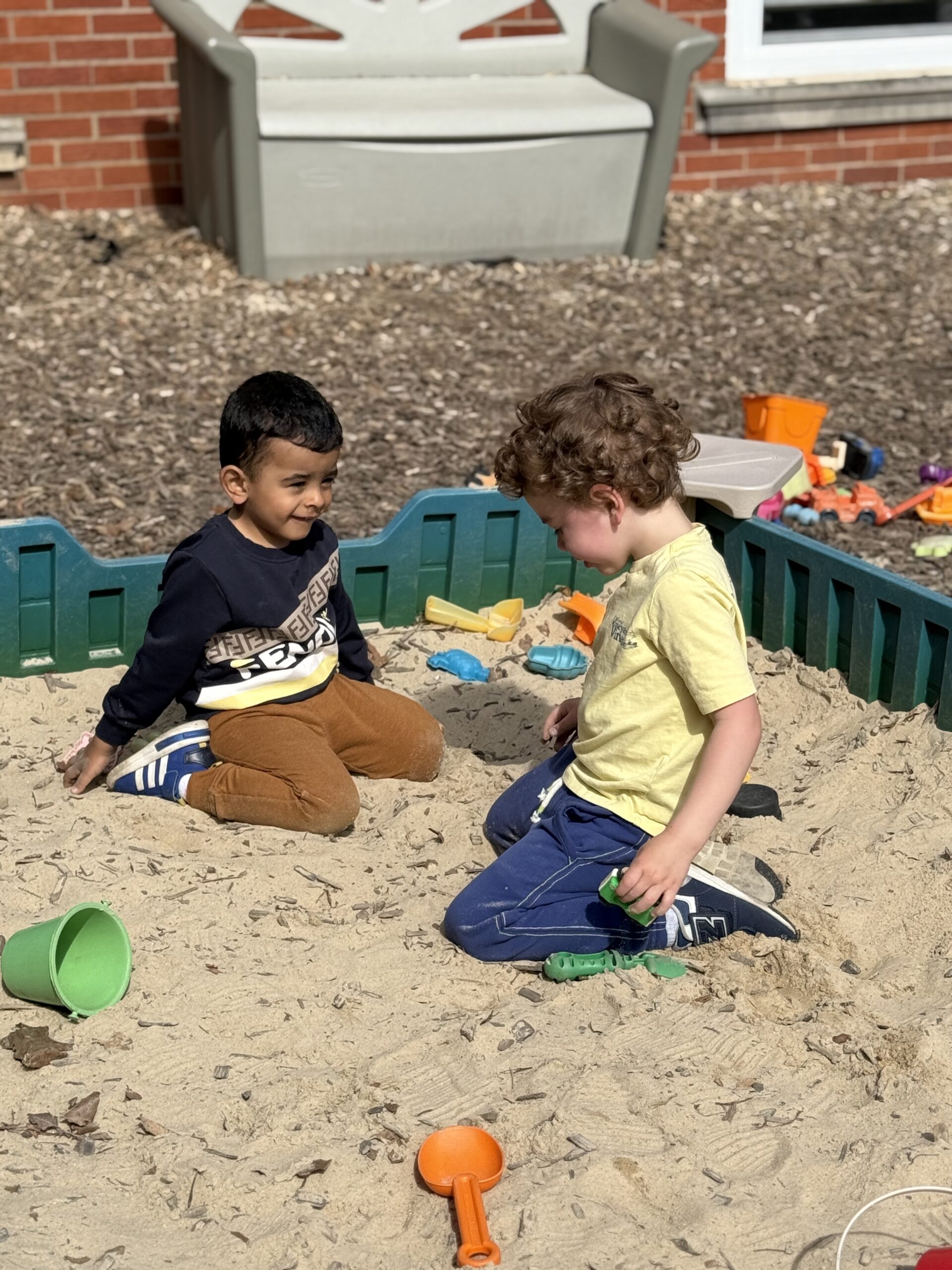
Our philosophy at the ECL is that all children can learn, and that they can learn within hands-on active play activities . We want to address the individual needs of our children and also their group needs. We actively involve our families, and we serve as a child care program for the campus and the community.
Our services for children with disabilities are provided by the local public school and by our early intervention programs. They don't pull children out—instead, they offer an integrated therapy model where children are provided the services in the classrooms.
Since the ECL uses AEPS-3, can you talk about why AEPS is such a great system to use for children with disabilities?
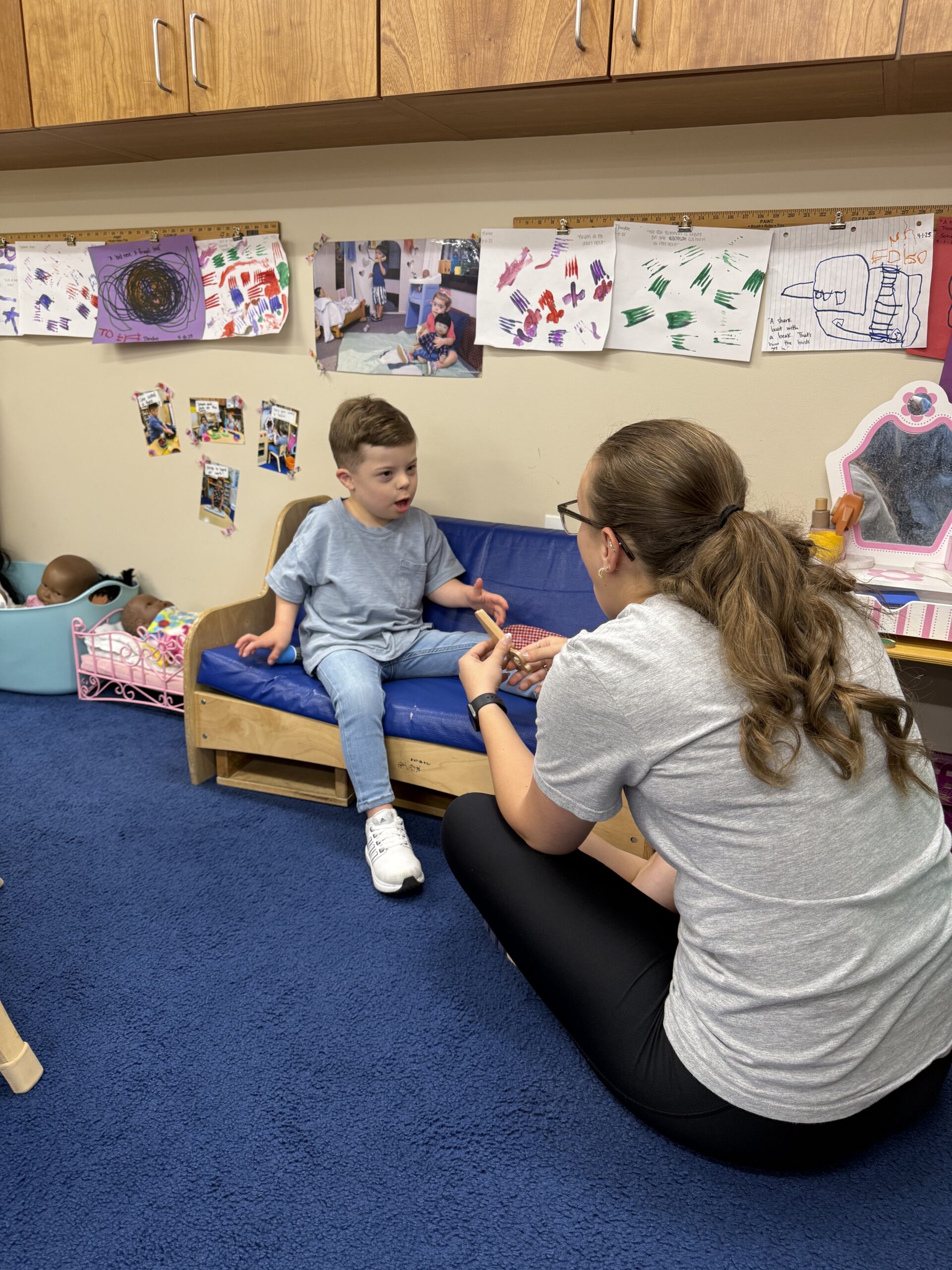
AEPS also allows for adaptations, accommodations, and modifications. If a child has a specific disability, we can modify AEPS items to allow children to perform the item in a different way. For example, if a child is using a wheelchair to move around the environment, we can still say that the child “walks avoiding obstacles,” because the child is performing the function of that skill: to be able to move around your environment.
Finally, within AEPS, we have something called foundation steps. These are even earlier skills than the objectives. These foundational steps can be used to task analyze a goal or objective for children with disabilities, especially those with more significant delays. We can use those foundational steps for teaching and goal development.
Let’s talk about assessment: why is it important, and how has assessment with AEPS helped the ECL support children's development?
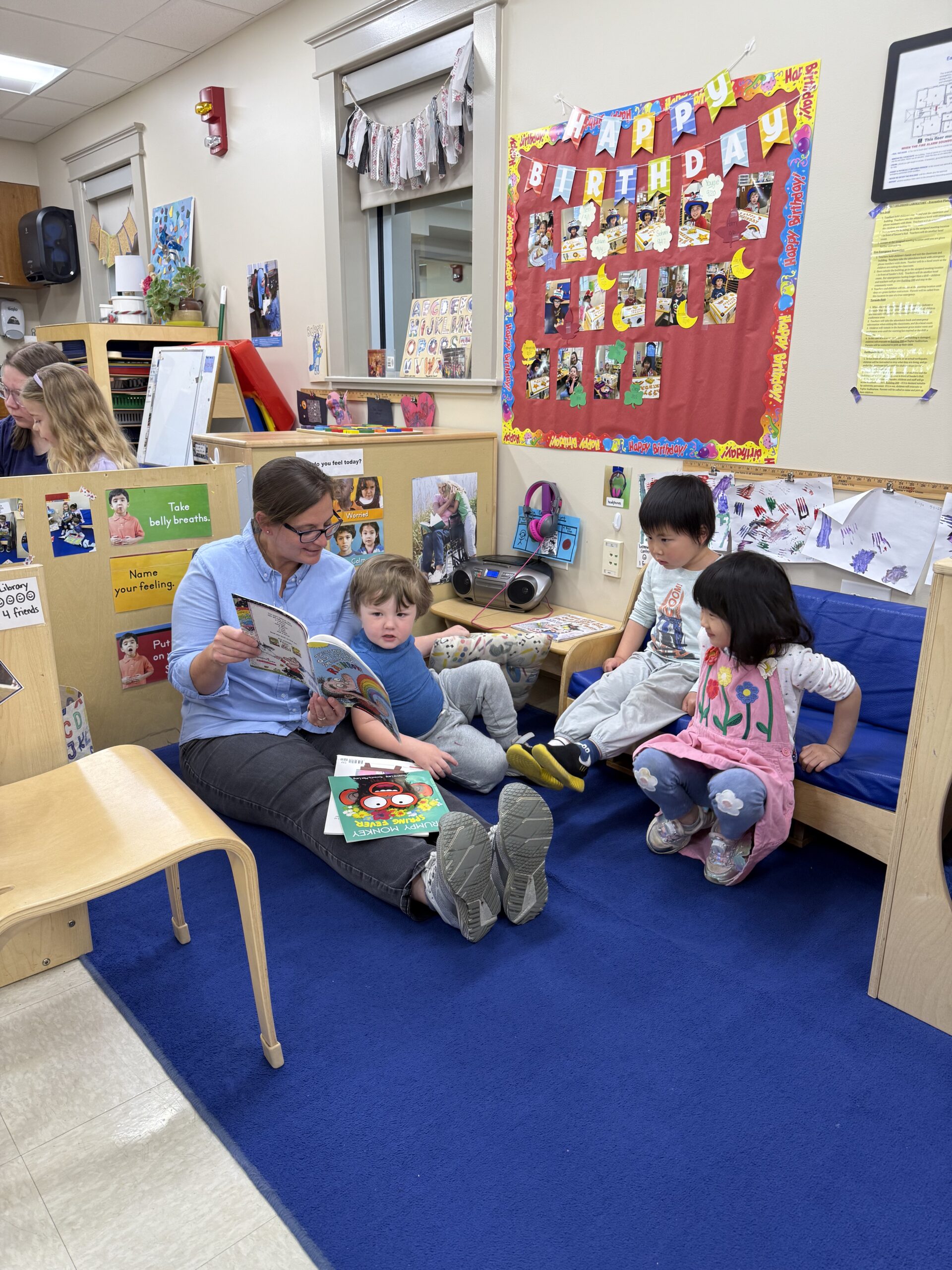
It's also important to do assessments so we have information about children's developmental status. It's crucial to see how children are progressing over time. With AEPS, we can see if there are any concerns or struggles that a child might be having that we need to address.
How has the ECL benefited from the multi-tiered and activity-based framework of the AEPS curriculum?
First, I'll talk about the benefits of having an MTSS, or multi-tiered system of support, curriculum. We believe AEPS is one of the first and only MTSS curricula for children in early childhood programs. Our teachers and providers are working with highly diverse groups of children, and we see children who are functioning at a wide range of development. We also see children who need universal strategies in some skill areas, while other children will need more focused or systematic strategies for learning. AEPS provides that.
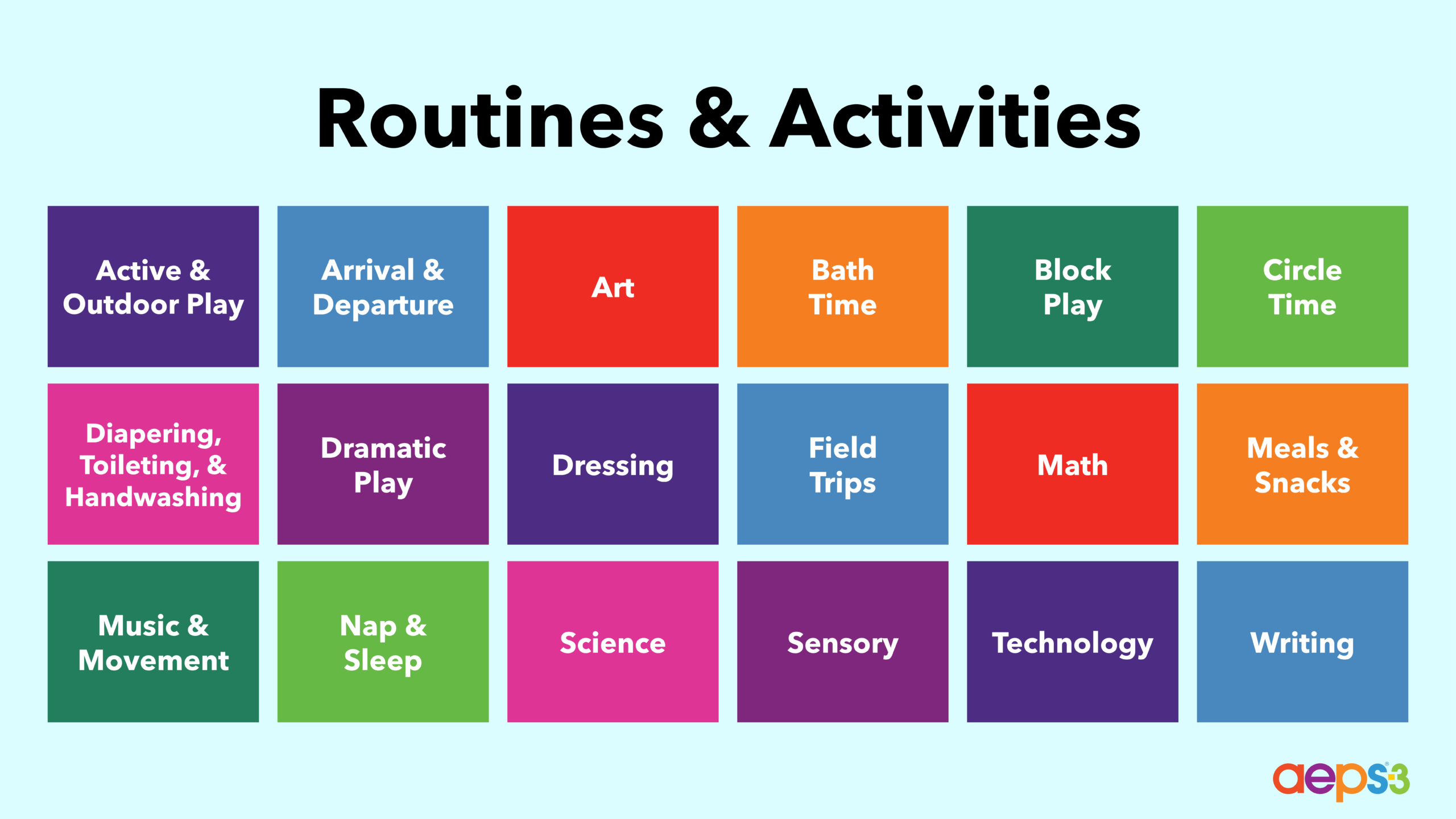
AEPS is also an activity-based curriculum—within each of the curriculum guides, we have 18 activities and routines that could be embedded into a classroom or home. This helps us provide supports to children on the specific goals they need to learn in those environments.
Could you talk a little more about how families are integrated into the AEPS-3 process?
Well, we have a strong belief with our AEPS work that families need to be actively involved in all aspects. First, we provide families with information on what the AEPS system is about, what areas that it assesses, and how they can be engaged in the system.
We also get information from families to help set our priorities, and the AEPS system has two tools for doing that. The first is the AEPS-3 Family Report. This tool gives us information about the routines and activities families might be struggling with, so we can offer support in those areas when we're working with the child.
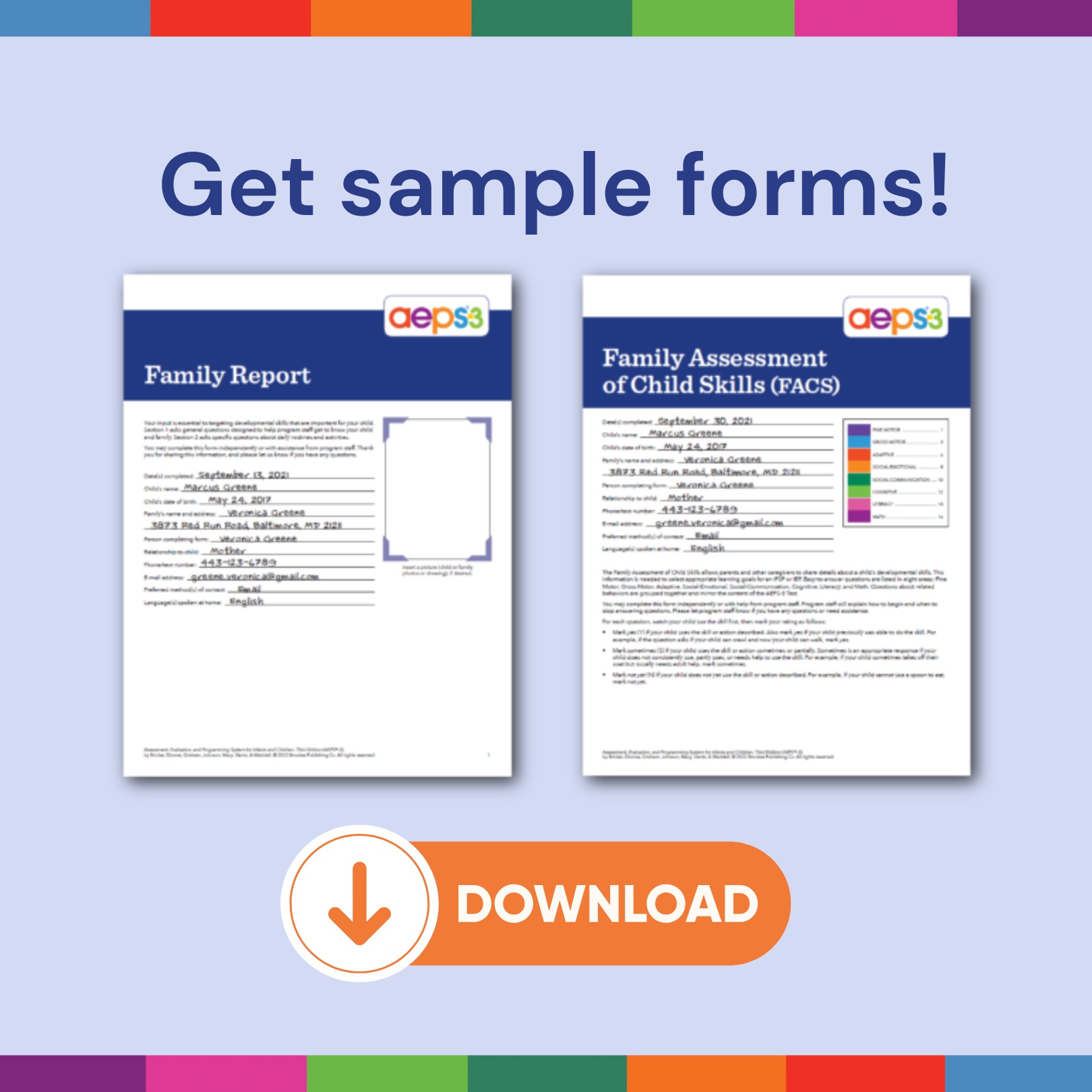
The second tool is the AEPS-3 Family Assessment of Child Skills . This form allows us to gather information from families about their perceptions of their child's development in the areas they have concerns about. At the end, we get overall priorities we can use when we're developing the IFSP or IEP. In our school, we develop individual plans for every child, so it’s important to have the family voice at that stage. [Download samples of the forms here.]
We also want the family's voice in selecting curriculum activities to engage the child in. Again, what are the activities or routines that they're struggling with? What activities and routines do they know their child really likes to do? Those are the activities we would choose for instruction.
Finally, we want family voice in progress monitoring. We can re-administer the Family Assessment of Child Skills and the Family Report, and we can share the Child Progress Record, a visual report that shows how children are making progress and where their gaps in development are.
Why are you proud to be one of the developers of AEPS?
All the things I just described are recommended practices for how we should support young children and their families. And I'm very proud to be a part of a system that allows us to do those things.
Jennifer Grisham is a co-developer of AEPS and an early childhood consultant and trainer. This interview was completed prior to her retirement as Faculty Director of the Early Childhood Laboratory.
Explore AEPS-3
- View the slide deck to learn about AEPS-3 and how it works
- Get a free demo of AEPSi, the online management system for AEPS-3
- Answer your questions with this AEPS-3 FAQ
- Download a sample of the AEPS-3 Test items
- Sign up for the AEPS Newsletter for the latest news & updates
More posts like this
6 Ways the AEPS-3 Curriculum Helps Children Thrive
September 8, 2025
Tool Spotlight: Your Quick Guide to AEPS-3
November 18, 2021
Write a Comment
Your email address will not be published. Required fields are marked *
Post a Comment