
How to Boost Learning with Breathe–Move–Learn: Sample Lesson 1
June 16, 2026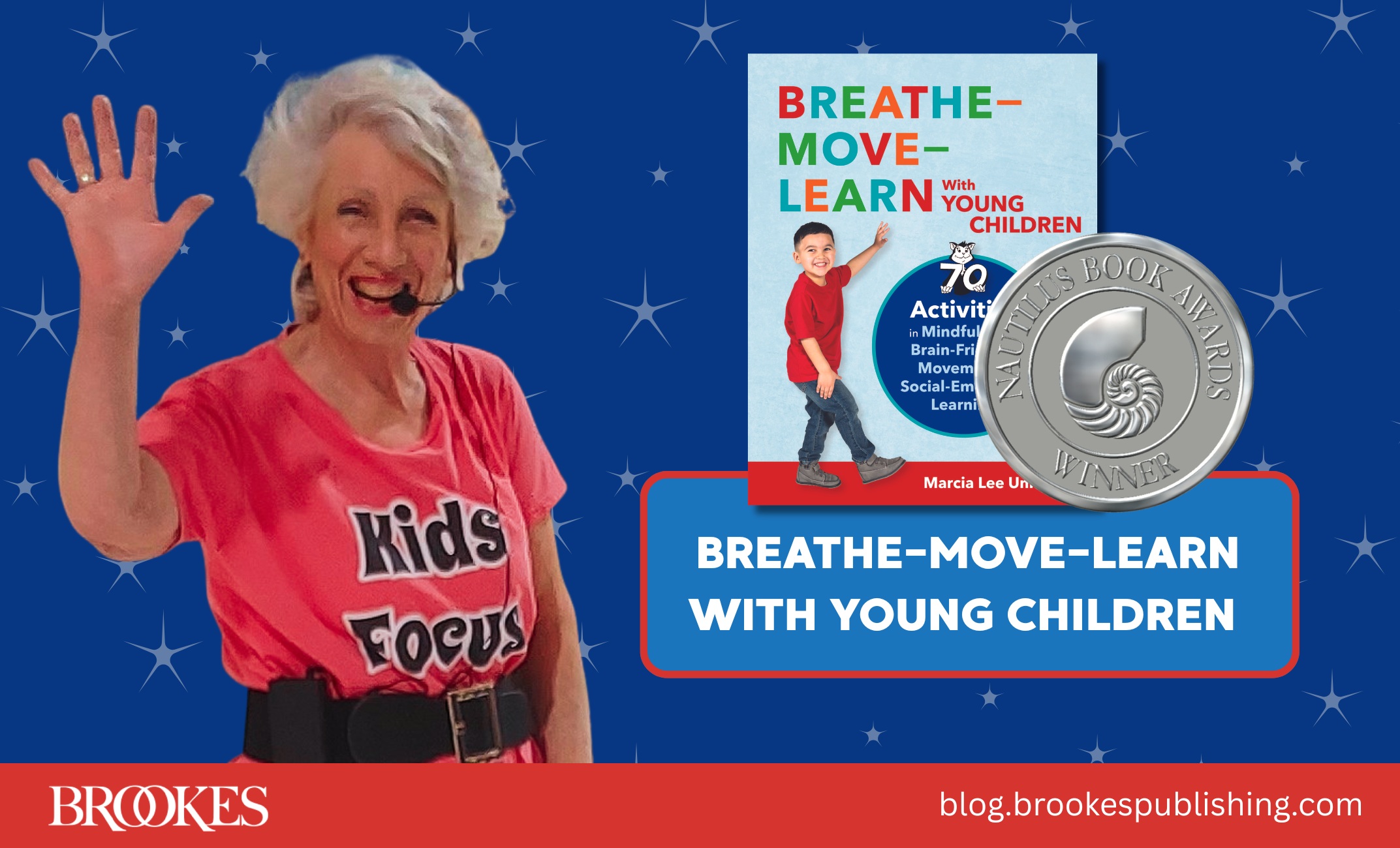
 Today we’re excited to welcome Marcia Lee Unnever, author of the Brookes book Breathe–Move–Learn with Young Children, back to the blog! Marcia’s book just won a prestigious Nautilus Book Awards Silver Medal in the Social Sciences & Education category. She’s here to share a sample lesson from the book and talk about how her Breathe–Move–Learn approach can nurture learning for all young children.
***
How do young children learn best? By using everything they’ve got! That’s what the Whole Child approach is all about: Using our brains, our bodies, our senses, our feelings, our thoughts, and our actions to learn joyfully. There’s no one single route that can measure up to what a “wholistic” approach can offer.
My book, triple International Award Winner* Breathe–Move–Learn with Young Children from Brookes Publishing, uses a Whole Child approach to make learning active, effective, fun, and joyful.
Today, let me show you how with a sample lesson adapted from the book, focused on helping young children learn the alphabet.
Sample Lesson: Learning ABCs
Let’s say we want to help young kids begin recognizing letters of the alphabet. In the old-school approach, kids would be told to sit and write letters over and over. Maybe the teacher would add the sound a few times. In a few minutes, young children would lose interest, fidget, and get bored.
Early childhood studies—and our own experience as teachers in the classroom—show that sitting for long periods of time does not improve concentration, learning, or memory for young children. In fact, sitting for more than five minutes leads to boredom and disinterest. The brain needs oxygen and blood to learn best, and that’s where Breathe–Move–Learn activities come in.
So let’s try a new approach! (The complete instructions for the activities listed below can be found in my book, Breathe–Move–Learn with Young Children.)
Breathe–Move–Learn Steps for Learning
Step 1: Get Focused. First, let’s help kids feel awake and focused by using “Balloon Belly Breathing” (“Respiración del vientre con globo”), which you can find on page 15 of the book if you have it. Tell children, “Stand tall and place your hands on your belly. Breathe deep and feel your belly fill up like a balloon. Then blow the air out.” Repeat this a few times.
Step 2: Switch On. Now, let’s use a quick, fun, cross-lateral exercise to switch on the brain and get kids ready to learn. We’ll use “Cross Lifts” (“Los elevadores cruzados”), found on page 42 of the book. Tell children, “Stand tall and reach high in the air with your right arm as you lift your left knee. Touch your knee with the opposite arm. Switch and use the opposite arm and knee to cross over.” Repeat this a few times.
Step 3: Express Yourself. To make learning letters a multisensory experience, we’ll use an SEL topic: “Three Good Things” (“Tres Cosas Buenas”), on page 62 of the book. Ask kids to think of three good things that start with the letters A, B, and C. Then ask them to share their Good Things in a circle or draw their Good Things with crayons on paper. Follow up with a Good Things Dance—have kids use their bodies to make the shapes of the letters. (In the book, you can find some of my favorite Dance Tunes on page 53.)
Step 4: Celebrate Learning. Good things make you feel good inside, so let’s celebrate with “SHINE” (“BRILLA”) on page 146. Tell children, “Lift both arms high into the sky and sway from side to side as you shine with your whole body.” Repeat this a few times.
This is just a sample of the 70 Breathe–Move–Learn activities that send essential oxygen and blood to the brain, help young children focus, and keep learning active, fresh, and fun. To get the most out of learning in your classroom, use Breathe–Move–Learn activities throughout the whole day, to activate every learning experience and to improve learning, focus, concentration, and retention. And have fun!
Get the award-winning book
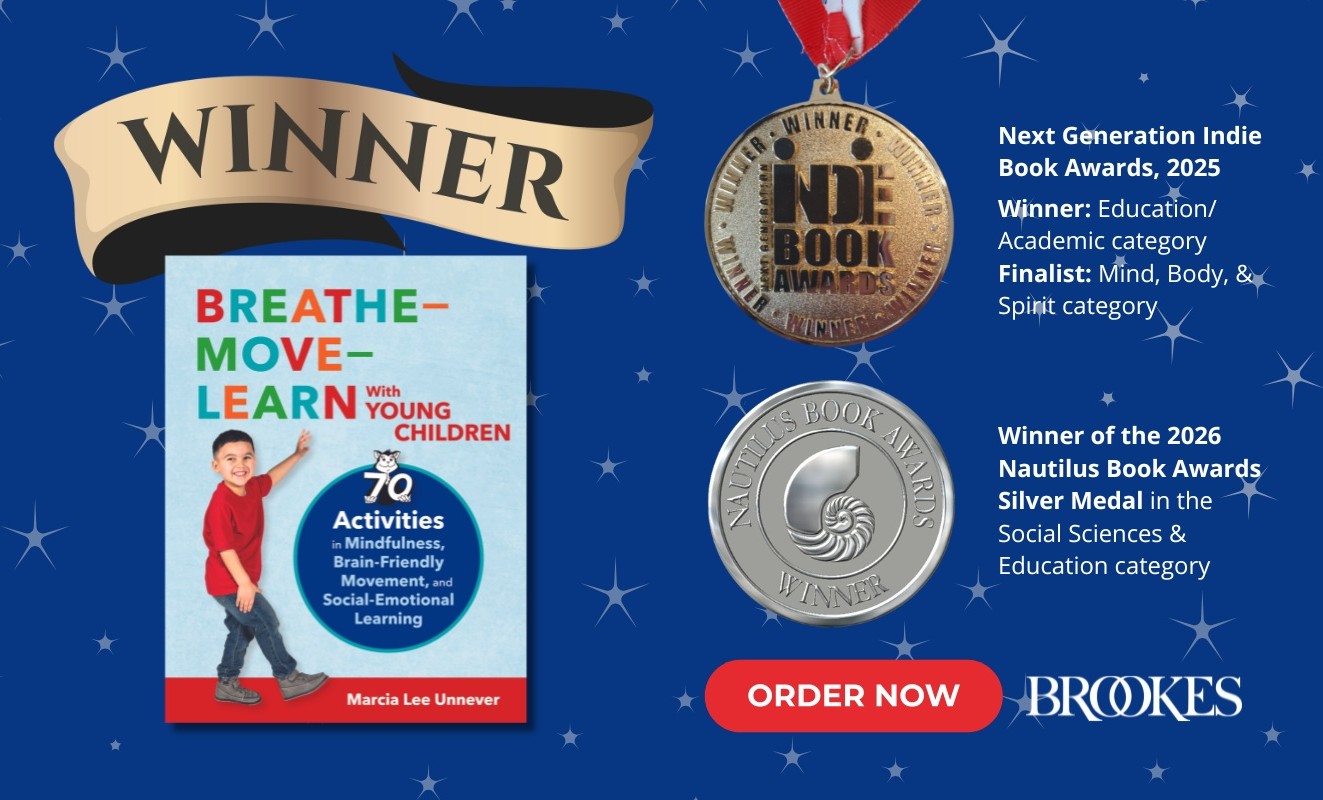
Breathe–Move–Learn with Young Children by Marcia Lee Unnever won the 2026 Nautilus Book Awards Silver Medal for Social Sciences and Education, and the Next Generation Indie Awards Gold and Silver Medals in 2025 for Education/Academic category and Mind, Body, & Spirit category. Explore the book here!
More posts like this
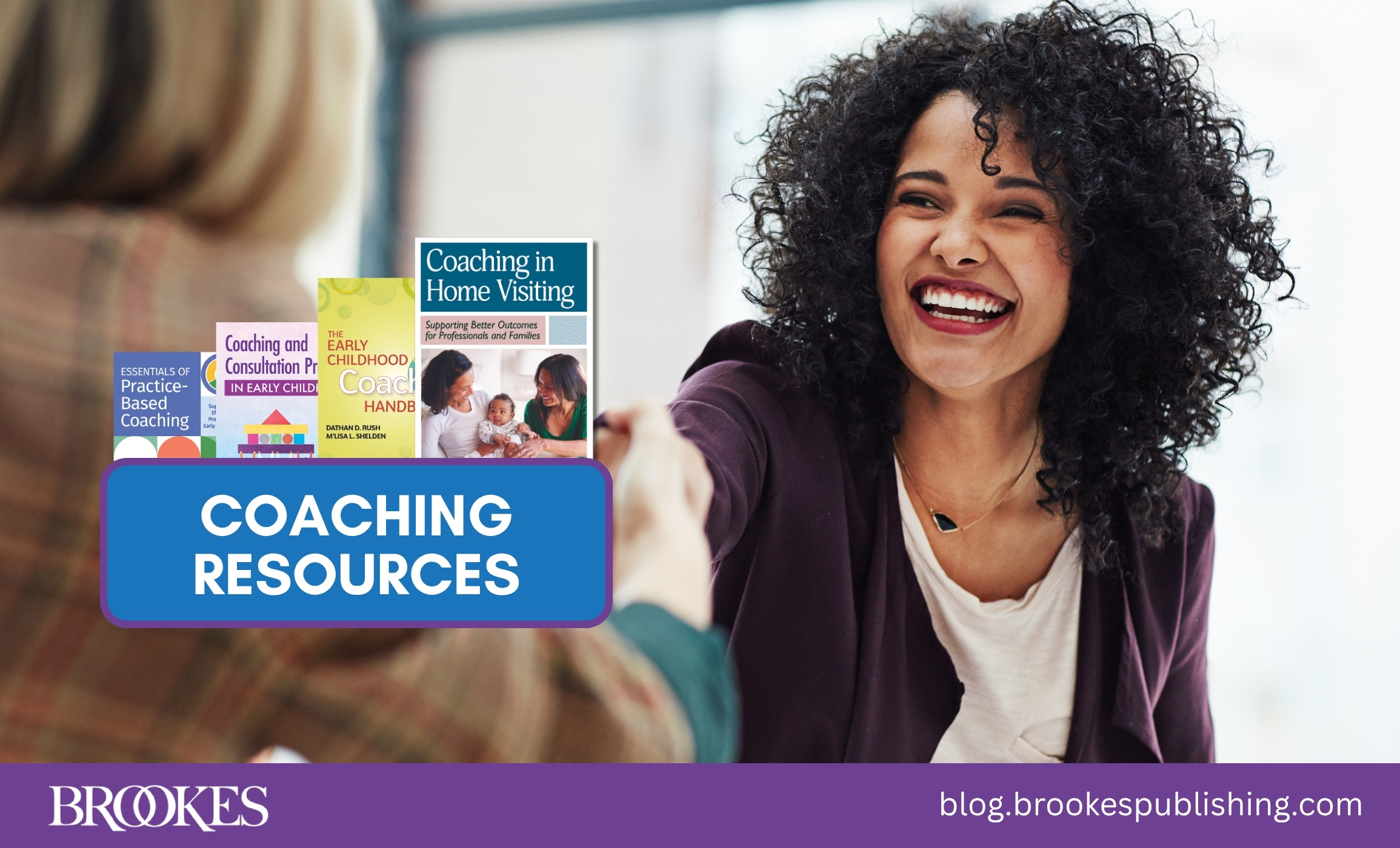
Roundup: 5 Essential Books on Early Childhood Coaching
September 28, 2026
5 Fun Fall Activities to Boost Child Development
September 28, 2026
Write a Comment
Your email address will not be published. Required fields are marked *
Post a Comment