
Teacher Tips for Managing 7 Classroom Behavior Issues
November 15, 2026
There’s no magic formula for solving classroom behavior issues, but our experts are here to help with some teacher-tested tips and ideas. Take a look at this list—adapted from the work of Brookes authors—and see which strategies you might want to try this year to address the most common classroom behavior challenges.
Issue #1: Managing Anger
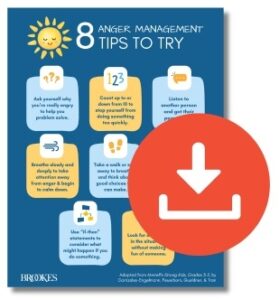
During a class discussion on emotions or social skills, present these anger management strategies to your students and encourage them to share their thoughts about each one.
You might say something like this to get started: “Here are several examples of things that you can do to help you deal with your anger. Keep in mind that the way you handle your anger is going to depend a lot on the situation you’re in, who you’re with, and what you hope to get out of the situation. We handle anger differently when we’re in a comfortable or familiar setting than when we’re in an uncomfortable or unfamiliar setting. Let’s take a look at some strategies now.”
 Issue #2: Resolving Conflict with Peers
Conflict is a part of every classroom, and resolving it can be a challenge. The Strong Kids curriculum introduces a consistent four-step problem-solving model to use when heated disagreements arise in your classroom:
- Identify the problem
- Develop a plan
- Evaluate the plan
- Implement the plan
This article includes sample scripts and activities you can use to teach students positive conflict resolution using the four-step model.
For students who are open to trying a mediation approach, this can also be a highly effective way to resolve student conflict. Read more about mediation here, and explore Ondine Gross’s book that shows you how to implement it.
 Issue #3: Reducing Bullying
Give age-appropriate, practical instruction on how to prevent bullying and how to step up if students see a peer being bullied. You can:
- Teach students the definition of bullying and how to recognize signs of bullying behavior.
- Give students specific examples to help them distinguish bullying from normal childhood conflict.
- Review the steps for recognizing when someone needs help, how to report bullying, and how to support the victim.
- Clarify the roles and responsibilities of the bystander and how they can intervene to help victims of bullying and harassment. (See 5 ways to turn bystanders into upstanders.)
- Invite guest speakers to describe personal experiences with bullying and how students can effectively intervene.
- Have older students train younger students on your school’s bullying policies and procedures through active role playing and scripts.
Issue #4: Improving Emotional Regulation

Self-regulation skills—the ability to monitor and control emotions and behavior—are crucial to academic and social success. Games can be a great trauma-sensitive technique to improve regulation.
One suggestion is the Mime Game, demonstrated by trauma expert Ms. Jen Alexander in this short video. Use this at the beginning of class with students if they are restless and having difficulty showing they are ready to learn. You can also use it mid-lesson, particularly if students have been working in groups and need help down-regulating to an arousal state where they can focus and learn during instruction.
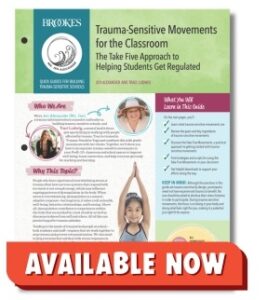
For a more intensive approach, teach your students Jen Alexander and Traci Ludwig’s unique “Take Five” approach to incorporating trauma-sensitive movements into the school day. Pick up this laminated quick-guide for step-by-step guidance and scripts on using the fun, simple Take Five Movements in any classroom, in just a few minutes a day.
 Issue #5: Alleviating Anxieties
When a child gets anxious and overwhelmed in the classroom, calming down can be tough. Here are some calming techniques students can use when anxieties bubble up.
- Blow bubbles or blow on a pinwheel to help them focus on deep breathing.
- Wear a weighted vest or blanket for a deep-pressure feeling.
- Take a movement break outside the classroom with an adult.
- Pop bubble wrap in the hallway or outside to take out frustration or anxiety.
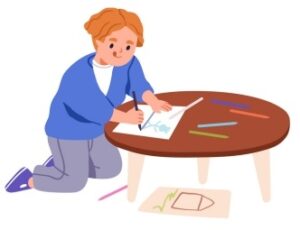
- Go to a “calm-down” corner with art supplies they can use to draw or color (creating art may also help an upset child to tell the teacher about what triggered his anxiety).
- Work through yoga poses in the calm-down corner to slow their bodies down.
You might also try this “worry bug” activity to help students begin to separate themselves from their worry or upset, and to introduce the idea that they can have some form of control over it. And
 Issue #6: Nurturing Empathy
Lack of empathy is at the root of many student conflicts in the classroom. Help your students build awareness of others’ feelings and perspectives by teaching them the foundational 5 Steps to Cultivate Empathy:
- Watch and Listen: What is the other person saying, and what does their body language convey?
- Remember: When did you feel the same way?
- Imagine: How does the other person feel? How would you feel in that situation?
- Ask: Ask what the person is feeling.
- Show You Care: Let them know that you care through your words and actions.
Check out this blog post for 8 specific activities that can help promote empathy in your classroom.
 Issue #7: Increasing Positive Thinking
Help students focus on the good things in their lives with one or more of these positive thinking exercises:
- List three to five things you have become good at because of hard work and practice.
- Write a paragraph about a good part of a school day you remember from this year.
- Write a paragraph about a time when you were a good friend.
- List three to five things you appreciate about a specific teacher or classmate.
- Write down a few activities you enjoy doing with a friend during recess or after school.
- List three to five things other kids your age need help with sometimes.
- Write a paragraph describing a fun day you had recently.
For more guidance on resolving classroom behavior issues and promoting students’ social skills and emotional well-being, check out the books featured in today’s post!
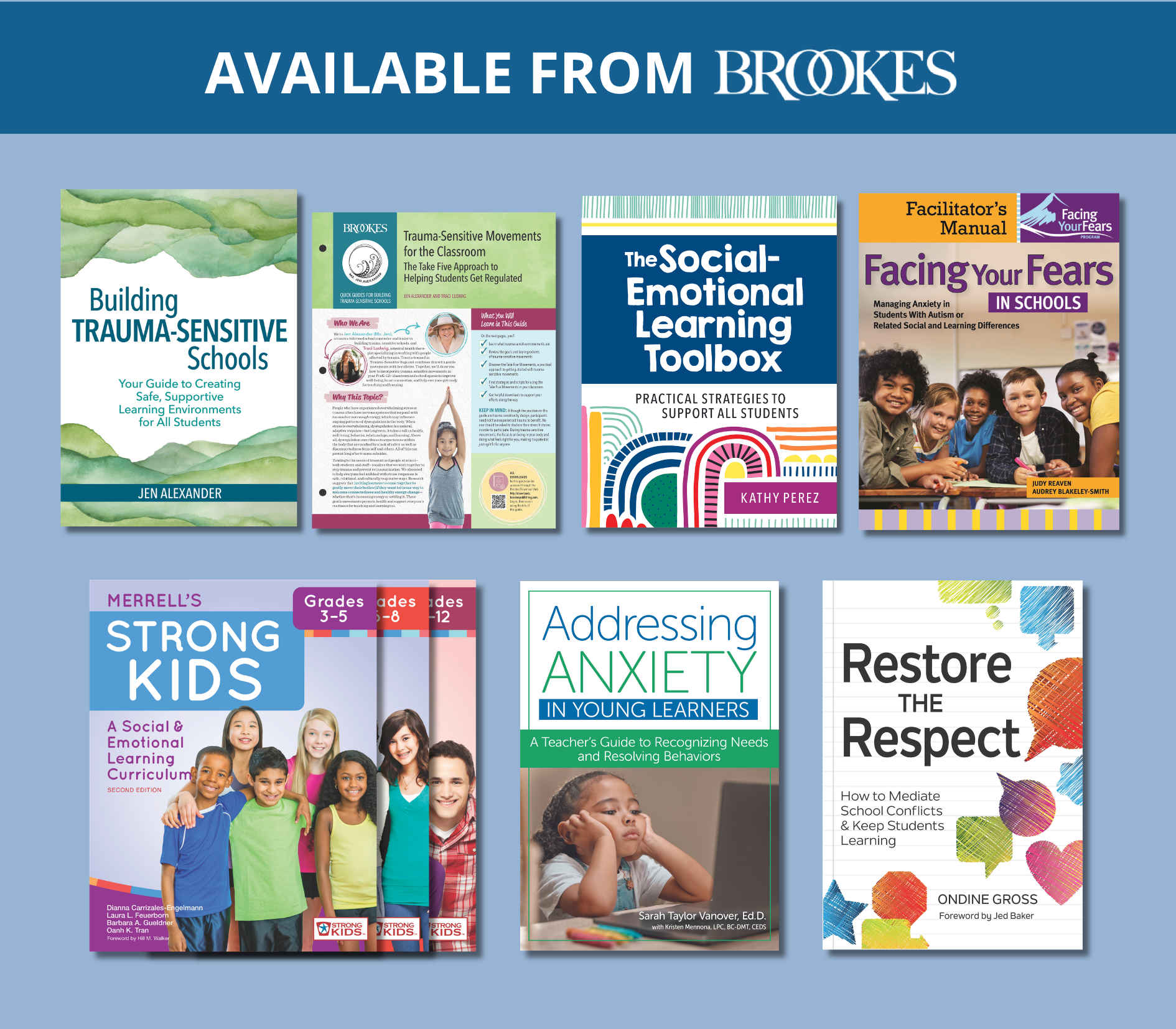
- Anger and conflict resolution tips adapted from Merrell’s Strong Kids, Grades 3-5: A Social and Emotional Learning Curriculum, Second Edition, by Dianna Carrizales-Engelmann, Laura L. Feuerborn, Barbara A. Gueldner, & Oanh K. Tran, and from Restore the Respect by Ondine Gross.
- Anti-bullying tips adapted from Recognize, Respond, Report, by Lori Ernsperger
- Regulation tips from Trauma-Sensitive Movements for the Classroom by Jen Alexander & Traci Ludwig
- Anxiety tips adapted from Addressing Anxiety in Young Learners by Sarah Taylor Vanover with Kristen Mennona, and Facing Your Fears in Schools by Judy Reaven & Audrey Blakeley-Smith
- Empathy tips adapted from The Social‑Emotional Learning Toolbox by Kathy Perez
- Positive thinking tips adapted from Building Trauma-Sensitive Schools by Jen Alexander
More posts like this
Try This Redirection Strategy for Student Behavior Challenges
January 22, 2026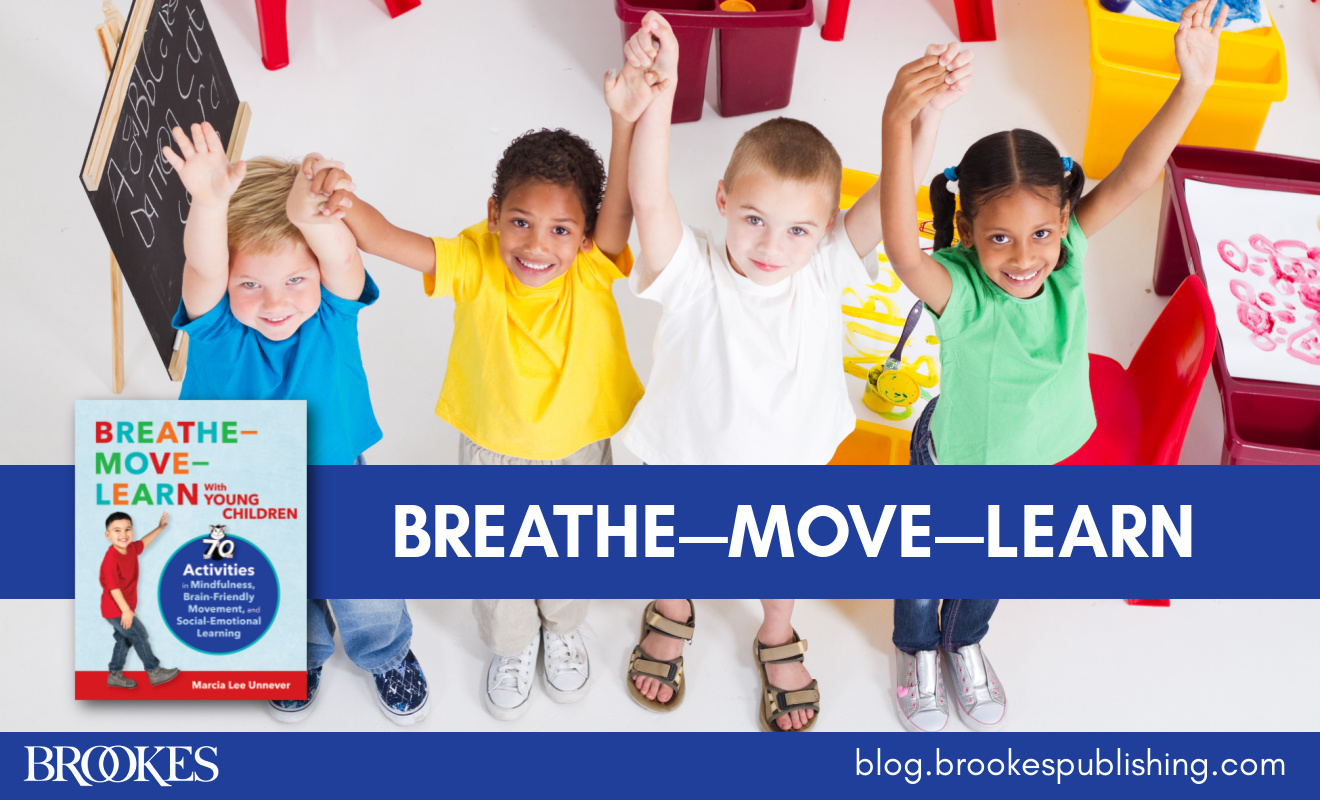
Solving the Puzzle of Better Behavior with Breathe—Move—Learn
April 23, 2024
Write a Comment
Your email address will not be published. Required fields are marked *
Post a Comment